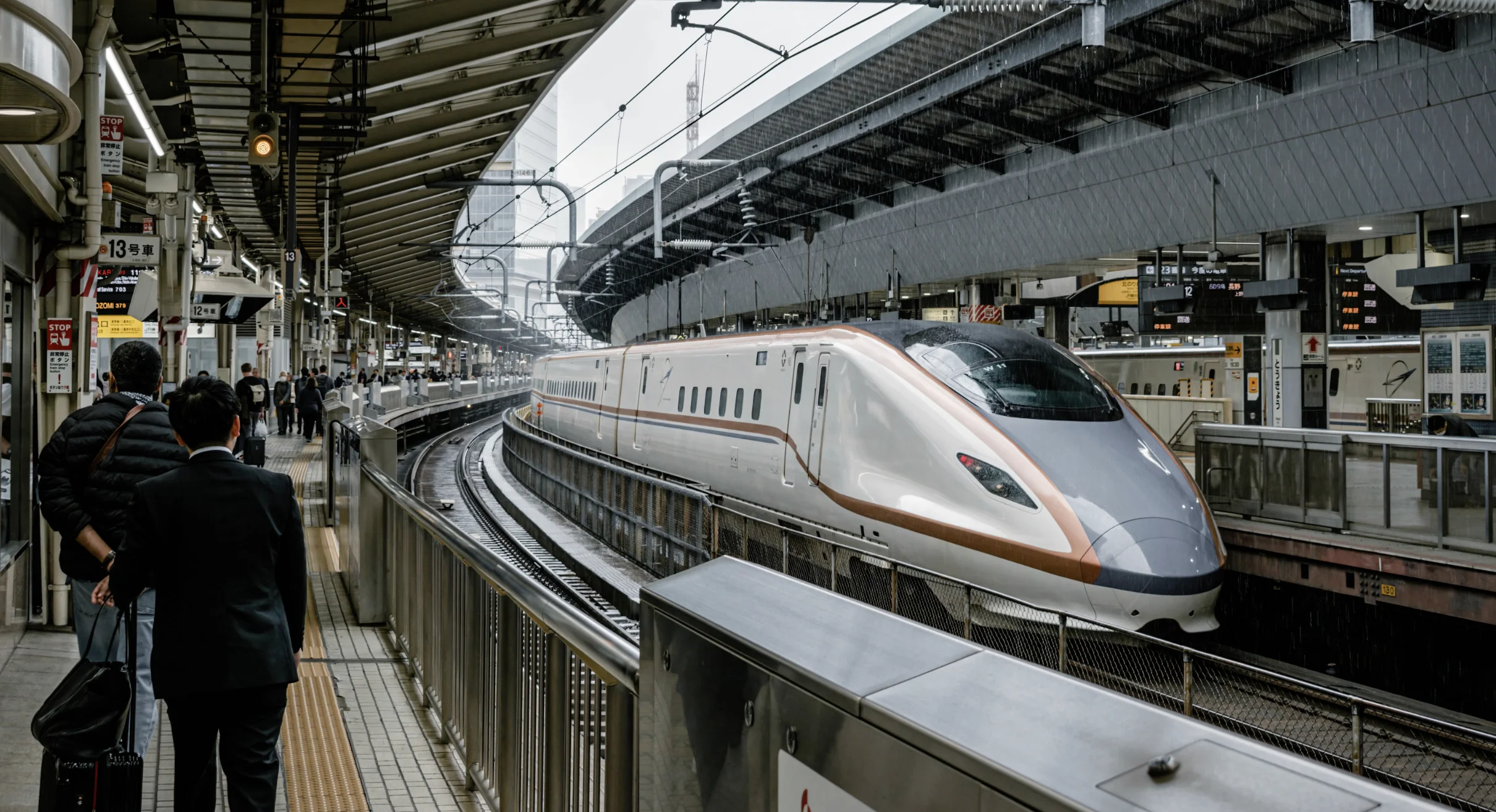
Japan is widely recognized for having one of the most advanced and efficient transportation systems in the world. While travelers can choose from domestic flights, buses, rental cars, and ferries, trains remain the preferred option for both local residents and international visitors. The country’s extensive rail infrastructure connects major metropolitan areas, regional cities, mountain destinations, coastal communities, and rural towns, making it possible to experience a remarkable variety of landscapes and cultures throughout a single journey.
For many travelers, japan rail travel offers a unique combination of convenience, reliability, comfort, and scenic exploration. Trains operate with impressive punctuality, stations are integrated into city centers, and routes often provide access to destinations that would be difficult to reach through other forms of transportation. This level of accessibility allows visitors to spend less time worrying about logistics and more time enjoying their trip.
Whether planning a short vacation focused on major cities or a longer adventure across multiple regions, Japan’s railway system provides a practical and enjoyable way to travel. From high-speed bullet trains connecting distant destinations to local lines that pass through picturesque countryside scenery, rail journeys have become an integral part of the travel experience itself.
Why Travelers Choose Trains in Japan
One of the main reasons visitors choose trains is efficiency. Japan’s transportation infrastructure has been designed to support millions of daily passengers while maintaining exceptional service standards. Travelers can move between destinations with confidence, knowing that departures and arrivals typically follow published schedules with remarkable accuracy.
Another advantage is accessibility. Railway stations are often located near commercial districts, tourist attractions, hotels, and dining areas. This reduces the need for additional transportation after arriving at a destination, making train travel especially convenient for visitors who prefer independent exploration.
Comfort also plays an important role. Modern trains offer spacious seating, clean facilities, luggage storage areas, and smooth travel experiences. Long-distance journeys can often feel more relaxing than airport transfers, security lines, and boarding procedures associated with domestic flights.
Environmental considerations have also encouraged many travelers to choose rail transportation. Trains are generally viewed as a more sustainable option compared to air travel, making them attractive to visitors seeking environmentally conscious ways to explore the country.
Understanding Japan’s Railway Network
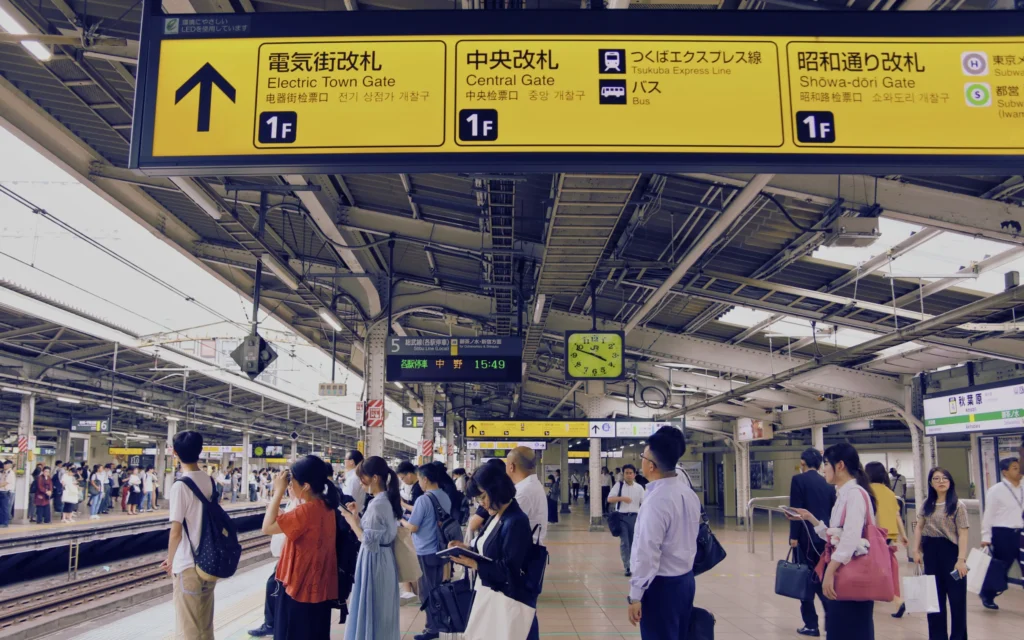
The country’s extensive ailway transportation system consists of multiple operators serving both urban and regional areas. Together, these networks create one of the most comprehensive transportation infrastructures in the world, allowing travelers to access destinations across nearly every part of the country.
Major cities are connected through long-distance services, while local trains provide access to smaller communities and attractions located beyond the main tourism routes. This layered approach allows travelers to combine high-speed transportation with regional exploration, creating flexible itineraries that suit different travel styles.
In many cases, railway stations serve as transportation hubs where visitors can transfer between train lines, local buses, and other services. These connections make it possible to reach destinations ranging from historic towns and mountain villages to coastal regions and national parks.
The integration of various services helps simplify travel planning and contributes to the overall efficiency that Japan’s transportation system is known for internationally.
Rail Travel Beyond Major Cities
Many first-time visitors focus their itineraries on major urban destinations, but one of the greatest strengths of traveling by train is the opportunity to discover lesser-known regions. Railway routes extend well beyond Tokyo, Osaka, and Kyoto, connecting travelers with destinations that offer unique cultural experiences, natural scenery, and local traditions.
Exploring smaller cities by train often reveals a different side of Japan. Visitors can experience local markets, traditional neighborhoods, scenic coastlines, and mountain landscapes that may not appear on typical tourism itineraries. These destinations frequently provide a slower pace and a more intimate connection with local communities.
Because train stations are often located in the heart of a destination, travelers can begin exploring immediately after arrival. This convenience encourages spontaneous discoveries and allows visitors to experience places that might otherwise be overlooked.
Related Reading: Japan Rail Pass Ticket Reservation
Related Reading: Japan Rail Ticket Reservation
Related Reading: Japan Railway Ticket
Understanding the Shinkansen Network
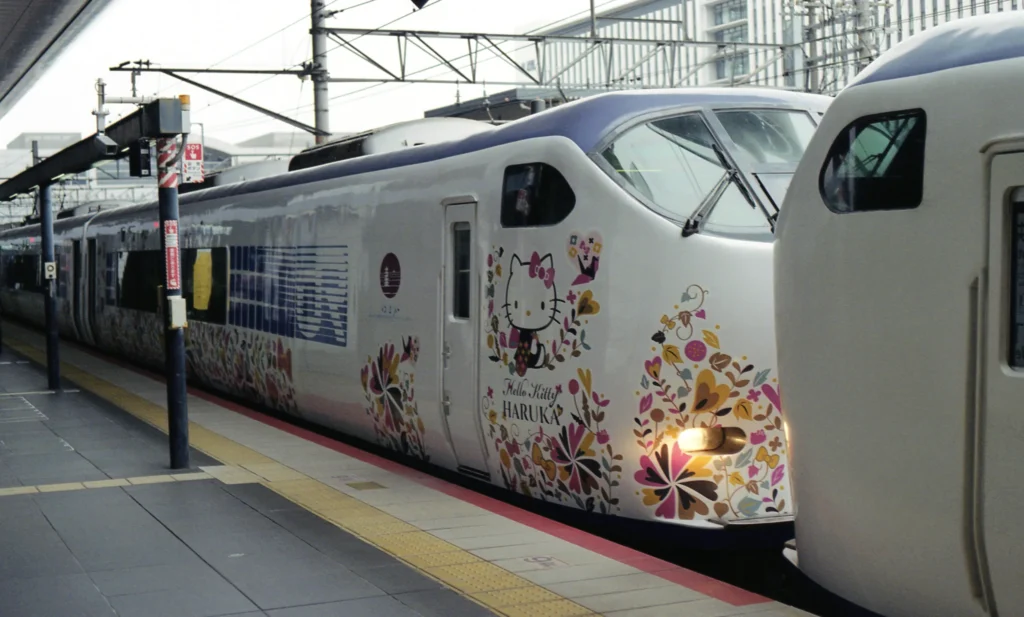
One of the most recognizable aspects of rail transportation in Japan is the high-speed bullet train system. The extensive Shinkansen network connects major regions across the country, allowing travelers to cover long distances efficiently while enjoying a comfortable travel experience. Since its introduction, the system has become a symbol of Japanese engineering, innovation, and transportation excellence.
High-speed rail services make it possible to travel between major destinations within a matter of hours rather than spending an entire day on the road. This convenience allows visitors to maximize their time and include multiple regions within a single itinerary without feeling rushed.
Beyond speed, travelers often appreciate the reliability and comfort associated with these services. Spacious seating, clean interiors, onboard amenities, and smooth operations contribute to an enjoyable journey that many visitors consider one of the highlights of their trip.
Because stations are typically located within city centers, travelers can easily transition from rail travel to sightseeing, dining, shopping, or accommodation without requiring extensive transfers.
How to Plan a Rail Journey Across Japan
A successful train-based itinerary begins with understanding travel priorities and destination choices. Whether focusing on major cities, cultural landmarks, scenic landscapes, or regional attractions, careful planning can help travelers make the most of their time while minimizing unnecessary transfers.
Many visitors use a japan rail travel planner to organize routes, compare travel times, and determine the most efficient sequence of destinations. Planning in advance can be particularly useful during busy travel periods when accommodations and transportation services experience higher demand.
Creating a balanced train travel itinerary often involves combining large metropolitan areas with smaller regional destinations. This approach allows travelers to experience both modern urban environments and the cultural or natural attractions found throughout different parts of the country.
Flexibility is also important. While detailed planning can improve efficiency, leaving room for spontaneous discoveries often results in some of the most memorable travel experiences. Rail transportation makes it relatively easy to adjust schedules and explore additional destinations when opportunities arise.
How to Ride Train in Japan for the First Time
Many international visitors initially wonder how to ride train in japan, particularly when encountering large stations that serve multiple lines and transportation operators. Fortunately, railway systems are generally designed with clear signage, multilingual information, and organized passenger flows that help simplify navigation.
Most stations provide route maps, digital information displays, and ticketing facilities that assist travelers in finding the correct platform and departure time. Staff members are often available to answer questions and provide guidance when needed.
Arriving a little earlier than departure time can be helpful, especially at larger stations. This allows travelers to familiarize themselves with station layouts, locate platforms, and purchase refreshments before boarding.
Observing local etiquette also contributes to a smoother experience. Passengers typically form orderly lines, keep noise levels low, and respect designated seating areas. Following these practices helps maintain the comfortable atmosphere that rail travel in Japan is known for.
Connecting Major Cities and Regional Destinations
One of the greatest advantages of rail travel in japan is the ability to move seamlessly between major cities and lesser-known destinations. Travelers can begin the day in a busy metropolitan center and arrive in a historic town, mountain region, or coastal community within a relatively short period of time.
The combination of high-speed services and regional rail routes reates extensive travel possibilities. Visitors are not limited to popular tourism corridors and can instead build itineraries that reflect personal interests, whether focused on history, nature, cuisine, or cultural experiences.
This flexibility encourages deeper exploration while reducing dependence on rental vehicles or domestic flights. For many travelers, the journey itself becomes an important part of the overall experience rather than simply a means of reaching the next destination.
Related Reading: Japan Rail Ticket Online
Related Reading: Buy Japan Rail Ticket Online
Related Reading: Japan Rail Pass Explained
Rail Passes and Ticket Options for Travelers
One of the most frequently discussed topics among international visitors is whether a rail pass or individual tickets offer better value. The answer often depends on travel style, planned destinations, and the number of long-distance journeys included within an itinerary.
The Japan Rail Pass has long been recognized as a convenient option for travelers planning extensive journeys across multiple regions. Depending on the itinerary, a pass may simplify transportation planning by providing access to a broad range of services through a single purchase.
For travelers focusing on only one or two regions, purchasing individual tickets may be a practical alternative. Comparing routes, travel frequency, and expected transportation costs before departure can help visitors determine which option best aligns with their plans.
Regardless of the approach chosen, understanding available transportation products in advance can reduce stress during the trip and help travelers move efficiently between destinations.
Understanding Ticket Costs and Travel Value
Researching japan rail ticket prices is often an important part of trip preparation. Costs can vary depending on route length, train category, seating preferences, and seasonal demand. Long-distance journeys generally represent a greater investment, while shorter regional routes are often relatively affordable.
Many visitors discover that rail transportation offers excellent value when considering overall convenience. Unlike airports located far from city centers, railway stations are typically integrated into urban districts, reducing additional transportation expenses and saving valuable travel time.
Comfort, reliability, and accessibility further contribute to the overall value proposition. Rather than viewing train tickets solely as transportation expenses, many travelers consider rail journeys an important part of the travel experience itself.
Scenic Rail Journeys Across Japan
While efficiency is often highlighted as a key advantage, train travel also provides opportunities to experience some of the country’s most beautiful landscapes. Numerous routes pass through mountain regions, coastal areas, agricultural valleys, and rural communities that reveal a different side of Japan beyond its major cities.
Many travelers are surprised by how much scenery can be enjoyed directly from train windows. Seasonal changes transform the landscape throughout the year, creating unique experiences during spring, summer, autumn, and winter. This visual diversity adds another dimension to the journey and encourages travelers to appreciate destinations beyond the most famous tourist attractions.
Rail routes also provide access to regions where local culture remains deeply connected to traditional lifestyles. Small towns, historic districts, and scenic countryside communities often become memorable highlights for travelers seeking a deeper understanding of the country.
For photographers, nature enthusiasts, and cultural travelers, scenic rail journeys can be every bit as rewarding as the destinations themselves.
Intercity Travel Made Simple
Japan’s rail infrastructure has been carefully designed to support efficient intercity travel across a wide geographic area. Travelers can comfortably move between major destinations while maintaining flexible schedules and minimizing logistical challenges.
The combination of local services, regional trains, and high-speed connections creates an efficient transportation network that serves both residents and visitors. This level of connectivity allows travelers to build itineraries that would be difficult to achieve in many other countries within a similar timeframe.
Whether exploring cultural centers, natural attractions, coastal destinations, or mountain regions, the railway system provides dependable access to a remarkable range of experiences. This versatility is one of the reasons train travel remains the preferred transportation method for many visitors.
Where Rail Travel Meets Comfort and Hospitality
Long-distance train journeys often involve overnight stays in different cities and regions. Choosing accommodations located near major transportation hubs can simplify logistics and create a more comfortable travel experience. Many visitors prefer staying close to railway stations so they can easily continue their journeys the following day.
Travelers exploring northern Japan frequently combine rail itineraries with premium hospitality experiences. In Sapporo, visitors seeking upscale accommodations may consider staying at one of the finest 5 star hotels in sapporo japan before continuing their journey to other destinations across Hokkaido and beyond.
Combining efficient transportation with comfortable accommodations can significantly enhance the overall travel experience, particularly for visitors planning extended journeys across multiple regions.
Conclusion
A well-planned japan rail travel experience offers far more than a convenient way to move between destinations. It provides access to diverse landscapes, cultural attractions, regional communities, and memorable travel experiences that may otherwise be difficult to discover.
From high-speed rail services and regional connections to scenic routes and efficient transportation infrastructure, Japan’s railway system remains one of the most effective ways to explore the country. Travelers benefit from reliability, comfort, accessibility, and the flexibility to create journeys tailored to their interests.
Whether visiting for the first time or returning to explore new regions, traveling by train allows visitors to experience the country at a comfortable pace while gaining a deeper appreciation for its culture, landscapes, and destinations. For many travelers, the journey itself becomes just as rewarding as the places they visit.
Related Reading: Japan Rail Pass Area
Related Reading: Japan Bullet Train Luggage Restrictions
Related Reading: Japan Rail Operating Hours