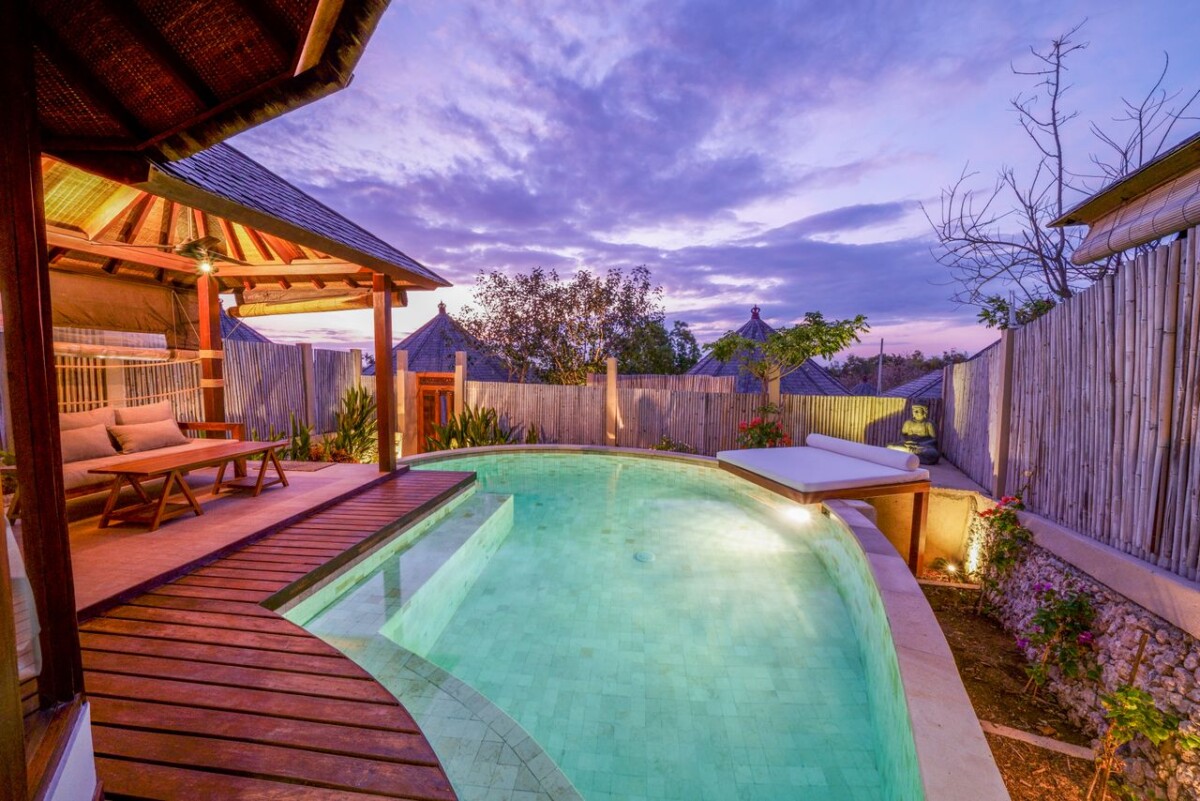
The charm of Ubud Bali extends well beyond its striking landscapes and rich culture; it is also a sought-after location for property buyers looking for a unique blend of investment potential and lifestyle appeal. Nestled in the island’s central highlands, Ubud offers a peaceful retreat from Bali’s busier coastal areas, known for its artistic heritage, spiritual vibe, and natural beauty. For those aiming to buy property in Ubud Bali, understanding the local market intricacies and legal framework is essential to make an informed and secure investment. This guide aims to provide a comprehensive view of the neighborhoods, market trends, step-by-step buying process, legal and financial considerations, as well as the lifestyle and amenities that Ubud has to offer.
Neighborhood Spotlight Ubud Bali
Ubud is known for its lush greenery, artistic community, and tranquil ambiance, making it a prime choice for buyers seeking a balance between nature and culture. Nestled amidst rice terraces and river valleys, its neighborhoods offer varied experiences based on location and property style.
Key Features of Ubud Properties
Properties in Ubud typically range from traditional Balinese-style villas to modern homes incorporating local aesthetics. Many properties are designed to harmonize with nature, featuring open-air living spaces, extensive gardens, and water elements like pools or ponds. The diversity of housing options includes standalone villas for privacy, clustered villa complexes offering shared amenities, and land plots for those looking to develop custom homes. Buyers often seek properties that provide serene views of rice fields or tropical forests, setting Ubud apart from Bali’s more commercial coastal cities.
The architecture often emphasizes natural materials such as wood and stone, with open layouts that enhance ventilation and connection to the outdoors. Some villas incorporate Balinese artistic touches like carved doors, traditional textiles, and local landscaping. Additionally, eco-friendly and sustainable designs are increasingly popular, appealing to buyers who value environmental harmony.
Community infrastructure also varies; some areas offer easy access to central Ubud’s cultural landmarks, art markets, and dining spots, while others provide more seclusion, catering to privacy-focused buyers or retreat centers. Proximity to temples, yoga centers, and holistic wellness facilities further enhances the lifestyle quality and appeal.
Market Trends and Popular Property Types in Ubud
The Ubud property market has demonstrated steady growth due to rising demand from expatriates, retirees, and investors looking for stable yet culturally immersive environments. Properties here often serve dual purposes—residential homes and vacation rentals—capitalizing on Ubud’s tourism drawn by its natural and spiritual appeal.
Return on Investment and Growth Potential
Investing in Ubud property can offer attractive returns through vacation rentals, given the area’s popularity among tourists seeking wellness and cultural retreats. Rental yields tend to be competitive compared to Bali’s coastal regions, particularly for villas featuring authentic Balinese design or eco-friendly features that appeal to niche market segments.
The long-term value is supported by limited new land availability in key areas and ongoing infrastructure improvements such as better roads and internet connectivity. Additionally, properties that offer privacy or unique settings, such as jungle or river views, often command premium pricing and strong demand.
Market trends also indicate rising interest in sustainable developments and properties that blend traditional craftsmanship with modern amenities. Buyers should assess growth potential in relation to location, property condition, accessibility to services, and rental management options, all of which influence both rental appeal and resale value. Collaborating with trusted local property managers can further enhance income from rental investments.
Step-by-Step Guide to Buying Property in Ubud
Navigating the purchase process in Bali, particularly for foreigners, requires careful attention to detail and legal compliance. Understanding each stage can help streamline the transaction and avoid common pitfalls.
Process from Search to Closing
The process typically starts with identifying suitable properties either through reputable agents or direct owner engagements. Due diligence is crucial—potential buyers should verify land titles, property boundaries, and ownership history. Engaging a professional to conduct property surveys and legal checks is strongly advised.
Once a property is selected, a Letter of Intent (LOI) or Sale and Purchase Agreement (SPA) is drafted outlining the terms of sale, price, and payment schedule. It’s recommended to engage a legal representative or notary experienced in Indonesian property law to oversee the contracts and navigate regulatory requirements.
Foreign buyers often face restrictions on land ownership, so understanding the available legal mechanisms such as leasehold agreements or setting up a local entity (PMA) is important early in the process. Financing options within Indonesia can be limited for foreigners, so many buyers arrange payment in stages, starting with deposits followed by the balance upon title transfer.
The closing process involves coordination with local land authorities to ensure the proper and legal transfer of ownership. Hiring trusted local professionals—including legal advisors, notaries, and real estate agents—can help mitigate risks and ensure a smooth transaction.
Legal and Financial Considerations Specific to Ubud
Foreign ownership of land in Indonesia is subject to strict regulations, which vary depending on the type of property and intended use. Understanding these rules is vital to safeguard the investment.
Taxes Permits and Ownership Rules
Most foreign buyers acquire properties through leasehold arrangements, extending typically from 25 to 70 years, or via setting up an Indonesian legal entity such as a PMA company (a foreign investment company). Freehold ownership is usually restricted to Indonesian nationals.
Buyers should also factor in additional costs such as acquisition duty (BPHTB) generally amounting to 5% of the property value, annual land and building tax (PBB), and potential income tax on rental earnings if the property is rented out. It’s important to budget for these expenses alongside transaction costs and legal fees.
Permits such as the Building Construction Permit (IMB) and land use clearances may also be necessary, especially if renovation or development is planned after purchase. Ensuring compliance with local zoning laws and having all permits properly documented reduces the risk of legal issues or fines in the future.
Consulting with professionals familiar with Ubud’s property regulations is highly recommended to navigate these complexities and to receive tailored advice based on the buyer’s specific circumstances.
Lifestyle and Amenities in Ubud
Purchasing property in Ubud goes beyond investment value—it offers a lifestyle enriched by culture, nature, and community connections.
Community and Cultural Highlights
Ubud is celebrated for its vibrant arts scene, traditional ceremonies, and community-focused living. Annual events such as the Ubud Writers & Readers Festival and Bali Spirit Festival attract international visitors and add to the cultural vibrancy. Traditional Balinese offerings and dance performances are regularly held at local temples, offering residents ongoing cultural engagement.
The community is largely international but closely integrated with local customs and traditions. This strong connection fosters a welcoming environment for newcomers interested in cultural immersion and holistic living.
Beyond arts and culture, residents enjoy access to organic markets, wellness centers, yoga retreats, and holistic healing practices that emphasize balance and wellbeing. Modern amenities including quality healthcare facilities, international schools, and diverse dining options are available to meet everyday living needs.
With its tranquil yet engaging lifestyle, Ubud appeals to those seeking a holistic and sustainable way of life merged with contemporary conveniences.
Conclusion
Buying property in Ubud Bali involves careful consideration of the local market dynamics, legal requirements, and lifestyle factors unique to the area. By gaining insights into neighborhood characteristics, understanding market trends, following a structured purchasing process, and navigating the legal landscape, buyers can make well-informed decisions aligned with their goals. Whether aiming for a serene personal retreat or a promising investment, Ubud’s blend of cultural richness and natural beauty offers exceptional prospects for property ownership.
Approaching this process with thorough preparation and trusted professional support helps ensure a rewarding experience in one of Bali’s most captivating locations, striking an ideal balance between investment security and lifestyle enrichment.