Category: Travel Tips

  • Why Rail Travel Is the Best Way to Explore Japan

    Why Rail Travel Is the Best Way to Explore Japan

    Japan is widely recognized for having one of the most advanced and efficient transportation systems in the world. While travelers can choose from domestic flights, buses, rental cars, and ferries, trains remain the preferred option for both local residents and international visitors. The country’s extensive rail infrastructure connects major metropolitan areas, regional cities, mountain destinations, coastal communities, and rural towns, making it possible to experience a remarkable variety of landscapes and cultures throughout a single journey.

    For many travelers, japan rail travel offers a unique combination of convenience, reliability, comfort, and scenic exploration. Trains operate with impressive punctuality, stations are integrated into city centers, and routes often provide access to destinations that would be difficult to reach through other forms of transportation. This level of accessibility allows visitors to spend less time worrying about logistics and more time enjoying their trip.

    Whether planning a short vacation focused on major cities or a longer adventure across multiple regions, Japan’s railway system provides a practical and enjoyable way to travel. From high-speed bullet trains connecting distant destinations to local lines that pass through picturesque countryside scenery, rail journeys have become an integral part of the travel experience itself.

    Why Travelers Choose Trains in Japan

    One of the main reasons visitors choose trains is efficiency. Japan’s transportation infrastructure has been designed to support millions of daily passengers while maintaining exceptional service standards. Travelers can move between destinations with confidence, knowing that departures and arrivals typically follow published schedules with remarkable accuracy.

    Another advantage is accessibility. Railway stations are often located near commercial districts, tourist attractions, hotels, and dining areas. This reduces the need for additional transportation after arriving at a destination, making train travel especially convenient for visitors who prefer independent exploration.

    Comfort also plays an important role. Modern trains offer spacious seating, clean facilities, luggage storage areas, and smooth travel experiences. Long-distance journeys can often feel more relaxing than airport transfers, security lines, and boarding procedures associated with domestic flights.

    Environmental considerations have also encouraged many travelers to choose rail transportation. Trains are generally viewed as a more sustainable option compared to air travel, making them attractive to visitors seeking environmentally conscious ways to explore the country.

    Understanding Japan’s Railway Network

    japan railway transportation system

    The country’s extensive ailway transportation system consists of multiple operators serving both urban and regional areas. Together, these networks create one of the most comprehensive transportation infrastructures in the world, allowing travelers to access destinations across nearly every part of the country.

    Major cities are connected through long-distance services, while local trains provide access to smaller communities and attractions located beyond the main tourism routes. This layered approach allows travelers to combine high-speed transportation with regional exploration, creating flexible itineraries that suit different travel styles.

    In many cases, railway stations serve as transportation hubs where visitors can transfer between train lines, local buses, and other services. These connections make it possible to reach destinations ranging from historic towns and mountain villages to coastal regions and national parks.

    The integration of various services helps simplify travel planning and contributes to the overall efficiency that Japan’s transportation system is known for internationally.

    Rail Travel Beyond Major Cities

    Many first-time visitors focus their itineraries on major urban destinations, but one of the greatest strengths of traveling by train is the opportunity to discover lesser-known regions. Railway routes extend well beyond Tokyo, Osaka, and Kyoto, connecting travelers with destinations that offer unique cultural experiences, natural scenery, and local traditions.

    Exploring smaller cities by train often reveals a different side of Japan. Visitors can experience local markets, traditional neighborhoods, scenic coastlines, and mountain landscapes that may not appear on typical tourism itineraries. These destinations frequently provide a slower pace and a more intimate connection with local communities.

    Because train stations are often located in the heart of a destination, travelers can begin exploring immediately after arrival. This convenience encourages spontaneous discoveries and allows visitors to experience places that might otherwise be overlooked.

    Related Reading: Japan Rail Pass Ticket Reservation

    Related Reading: Japan Rail Ticket Reservation

    Related Reading: Japan Railway Ticket

    Understanding the Shinkansen Network

    shinkansen network

    One of the most recognizable aspects of rail transportation in Japan is the high-speed bullet train system. The extensive Shinkansen network connects major regions across the country, allowing travelers to cover long distances efficiently while enjoying a comfortable travel experience. Since its introduction, the system has become a symbol of Japanese engineering, innovation, and transportation excellence.

    High-speed rail services make it possible to travel between major destinations within a matter of hours rather than spending an entire day on the road. This convenience allows visitors to maximize their time and include multiple regions within a single itinerary without feeling rushed.

    Beyond speed, travelers often appreciate the reliability and comfort associated with these services. Spacious seating, clean interiors, onboard amenities, and smooth operations contribute to an enjoyable journey that many visitors consider one of the highlights of their trip.

    Because stations are typically located within city centers, travelers can easily transition from rail travel to sightseeing, dining, shopping, or accommodation without requiring extensive transfers.

    How to Plan a Rail Journey Across Japan

    A successful train-based itinerary begins with understanding travel priorities and destination choices. Whether focusing on major cities, cultural landmarks, scenic landscapes, or regional attractions, careful planning can help travelers make the most of their time while minimizing unnecessary transfers.

    Many visitors use a japan rail travel planner to organize routes, compare travel times, and determine the most efficient sequence of destinations. Planning in advance can be particularly useful during busy travel periods when accommodations and transportation services experience higher demand.

    Creating a balanced train travel itinerary often involves combining large metropolitan areas with smaller regional destinations. This approach allows travelers to experience both modern urban environments and the cultural or natural attractions found throughout different parts of the country.

    Flexibility is also important. While detailed planning can improve efficiency, leaving room for spontaneous discoveries often results in some of the most memorable travel experiences. Rail transportation makes it relatively easy to adjust schedules and explore additional destinations when opportunities arise.

    How to Ride Train in Japan for the First Time

    Many international visitors initially wonder how to ride train in japan, particularly when encountering large stations that serve multiple lines and transportation operators. Fortunately, railway systems are generally designed with clear signage, multilingual information, and organized passenger flows that help simplify navigation.

    Most stations provide route maps, digital information displays, and ticketing facilities that assist travelers in finding the correct platform and departure time. Staff members are often available to answer questions and provide guidance when needed.

    Arriving a little earlier than departure time can be helpful, especially at larger stations. This allows travelers to familiarize themselves with station layouts, locate platforms, and purchase refreshments before boarding.

    Observing local etiquette also contributes to a smoother experience. Passengers typically form orderly lines, keep noise levels low, and respect designated seating areas. Following these practices helps maintain the comfortable atmosphere that rail travel in Japan is known for.

    Connecting Major Cities and Regional Destinations

    One of the greatest advantages of rail travel in japan is the ability to move seamlessly between major cities and lesser-known destinations. Travelers can begin the day in a busy metropolitan center and arrive in a historic town, mountain region, or coastal community within a relatively short period of time.

    The combination of high-speed services and regional rail routes reates extensive travel possibilities. Visitors are not limited to popular tourism corridors and can instead build itineraries that reflect personal interests, whether focused on history, nature, cuisine, or cultural experiences.

    This flexibility encourages deeper exploration while reducing dependence on rental vehicles or domestic flights. For many travelers, the journey itself becomes an important part of the overall experience rather than simply a means of reaching the next destination.

    Related Reading: Japan Rail Ticket Online

    Related Reading: Buy Japan Rail Ticket Online

    Related Reading: Japan Rail Pass Explained

    Rail Passes and Ticket Options for Travelers

    One of the most frequently discussed topics among international visitors is whether a rail pass or individual tickets offer better value. The answer often depends on travel style, planned destinations, and the number of long-distance journeys included within an itinerary.

    The Japan Rail Pass has long been recognized as a convenient option for travelers planning extensive journeys across multiple regions. Depending on the itinerary, a pass may simplify transportation planning by providing access to a broad range of services through a single purchase.

    For travelers focusing on only one or two regions, purchasing individual tickets may be a practical alternative. Comparing routes, travel frequency, and expected transportation costs before departure can help visitors determine which option best aligns with their plans.

    Regardless of the approach chosen, understanding available transportation products in advance can reduce stress during the trip and help travelers move efficiently between destinations.

    Understanding Ticket Costs and Travel Value

    Researching japan rail ticket prices is often an important part of trip preparation. Costs can vary depending on route length, train category, seating preferences, and seasonal demand. Long-distance journeys generally represent a greater investment, while shorter regional routes are often relatively affordable.

    Many visitors discover that rail transportation offers excellent value when considering overall convenience. Unlike airports located far from city centers, railway stations are typically integrated into urban districts, reducing additional transportation expenses and saving valuable travel time.

    Comfort, reliability, and accessibility further contribute to the overall value proposition. Rather than viewing train tickets solely as transportation expenses, many travelers consider rail journeys an important part of the travel experience itself.

    Scenic Rail Journeys Across Japan

    While efficiency is often highlighted as a key advantage, train travel also provides opportunities to experience some of the country’s most beautiful landscapes. Numerous routes pass through mountain regions, coastal areas, agricultural valleys, and rural communities that reveal a different side of Japan beyond its major cities.

    Many travelers are surprised by how much scenery can be enjoyed directly from train windows. Seasonal changes transform the landscape throughout the year, creating unique experiences during spring, summer, autumn, and winter. This visual diversity adds another dimension to the journey and encourages travelers to appreciate destinations beyond the most famous tourist attractions.

    Rail routes also provide access to regions where local culture remains deeply connected to traditional lifestyles. Small towns, historic districts, and scenic countryside communities often become memorable highlights for travelers seeking a deeper understanding of the country.

    For photographers, nature enthusiasts, and cultural travelers, scenic rail journeys can be every bit as rewarding as the destinations themselves.

    Intercity Travel Made Simple

    Japan’s rail infrastructure has been carefully designed to support efficient intercity travel across a wide geographic area. Travelers can comfortably move between major destinations while maintaining flexible schedules and minimizing logistical challenges.

    The combination of local services, regional trains, and high-speed connections creates an efficient transportation network that serves both residents and visitors. This level of connectivity allows travelers to build itineraries that would be difficult to achieve in many other countries within a similar timeframe.

    Whether exploring cultural centers, natural attractions, coastal destinations, or mountain regions, the railway system provides dependable access to a remarkable range of experiences. This versatility is one of the reasons train travel remains the preferred transportation method for many visitors.

    Where Rail Travel Meets Comfort and Hospitality

    Long-distance train journeys often involve overnight stays in different cities and regions. Choosing accommodations located near major transportation hubs can simplify logistics and create a more comfortable travel experience. Many visitors prefer staying close to railway stations so they can easily continue their journeys the following day.

    Travelers exploring northern Japan frequently combine rail itineraries with premium hospitality experiences. In Sapporo, visitors seeking upscale accommodations may consider staying at one of the finest 5 star hotels in sapporo japan before continuing their journey to other destinations across Hokkaido and beyond.

    Combining efficient transportation with comfortable accommodations can significantly enhance the overall travel experience, particularly for visitors planning extended journeys across multiple regions.

    Conclusion

    A well-planned japan rail travel experience offers far more than a convenient way to move between destinations. It provides access to diverse landscapes, cultural attractions, regional communities, and memorable travel experiences that may otherwise be difficult to discover.

    From high-speed rail services and regional connections to scenic routes and efficient transportation infrastructure, Japan’s railway system remains one of the most effective ways to explore the country. Travelers benefit from reliability, comfort, accessibility, and the flexibility to create journeys tailored to their interests.

    Whether visiting for the first time or returning to explore new regions, traveling by train allows visitors to experience the country at a comfortable pace while gaining a deeper appreciation for its culture, landscapes, and destinations. For many travelers, the journey itself becomes just as rewarding as the places they visit.

    Related Reading: Japan Rail Pass Area

    Related Reading: Japan Bullet Train Luggage Restrictions

    Related Reading: Japan Rail Operating Hours

  • Snorkeling in Nusa Lembongan: A Calm Guide to Reefs, Mantas, and Marine Adventures

    Snorkeling in Nusa Lembongan: A Calm Guide to Reefs, Mantas, and Marine Adventures

    Snorkeling in Nusa Lembongan is one of the easiest ways to experience the marine beauty of Bali’s small island trio without needing a diving certification. With clear tropical waters, reef areas, mangrove scenery, and easy access to Nusa Ceningan and Nusa Penida, the island is a practical base for travellers who want a gentle yet memorable ocean experience. Whether you are visiting as a couple, family, solo traveller, or group of friends, snorkelling here can be relaxing, scenic, and meaningful when planned with the right operator and respect for the sea.

    Is Nusa Lembongan Good for Snorkelling?

    Yes, Nusa Lembongan is a good destination for snorkelling because it combines accessible boat trips, reef sites, clear water, and easy connections to nearby marine areas. Travellers can join guided snorkelling tours, visit reef locations, explore mangrove surroundings, and sometimes travel towards sites around Nusa Penida, depending on sea conditions.

    For first-time snorkellers, the island can be a comfortable introduction to Bali’s underwater world. However, the experience should still be planned carefully. Ocean conditions can change; currents may be present; and boat routes vary with weather and tide. Snorkeling in Nusa Lembongan is best enjoyed with a guide who explains the conditions clearly, provides suitable equipment, and chooses sites based on the day rather than making fixed promises.

    Why the Marine Setting Matters

    The waters around Nusa Lembongan, Nusa Ceningan, and Nusa Penida are part of the wider Nusa Penida Marine Protected Area. This protected area covers more than 20,000 hectares and includes coral reefs, mangroves, seagrass beds, and important marine habitats. Conservation references have also recorded hundreds of coral species in the area, including 296 coral species documented in 2008.

    These data points matter because they show that snorkelling here is not just a casual holiday activity. It takes place in a biodiverse marine environment that supports reef fish, corals, turtles, rays, and other marine life. For travellers, this means the experience comes with responsibility. The reef is part of what makes the island special, and visitor behaviour can help protect or damage it.

    What Can You See While Snorkelling?

    What you see while snorkelling depends on the site, season, current, visibility, and natural wildlife movement. In reef areas, travellers may spot colourful fish, coral gardens, sea stars, and smaller marine creatures. In nearby marine zones, some tours may include areas associated with rays or larger ocean life.

    Manta-related trips are popular in the broader Nusa Penida area, but sightings should never be treated as guaranteed. Wildlife is not staged, and that is part of what makes the experience valuable. A responsible operator should set realistic expectations and explain that the goal is to enjoy the marine environment safely, not chase animals for a photo.

    For families, simple reef snorkelling can be more enjoyable than a long boat journey. Children often prefer shorter sessions, calm guidance, and clear water where they can easily see fish below them.

    Safety Tips for First-Time Snorkellers

    Safety should come before the itinerary. Choose a tour that provides clean masks, properly fitted fins, life jackets, and a clear briefing before entering the water. If you are nervous, tell the guide before the trip begins. A good guide can help you adjust your mask, enter the water calmly, and stay close to the group.

    Even confident swimmers should respect currents. Clear water can look calm from the surface, but conditions may still be dynamic. Stay near the guide, avoid swimming too far from the boat, and never force yourself into the water if conditions feel uncomfortable.

    Snorkeling in Nusa Lembongan is most enjoyable when the group does not rush. A patient guide, good equipment, and a flexible route will usually create a better experience than a packed schedule with too many stops.

    Marine Etiquette: How to Protect the Reef

    Good snorkelling behaviour is simple but important. Do not stand on coral, touch marine animals, chase turtles or rays, collect shells, or leave plastic behind. Keep your fins away from the reef and float calmly above the water instead of kicking aggressively.

    Reef-safe sunscreen can also help reduce environmental impact, especially when many travellers are entering the same marine areas. If possible, apply sunscreen before the trip and wear a rash guard for extra sun protection.

    Responsible snorkelling protects the same environment that travellers come to enjoy. It also supports local communities and helps keep marine tourism sustainable for future visitors.

    Best Way to Plan a Snorkelling Day

    A good snorkelling day should feel relaxed, not rushed. Eat a light breakfast before the boat trip, avoid heavy meals immediately before entering the water, and bring water, sun protection, and a dry bag for essentials. After the trip, plan an easy lunch, beach time, or a quiet afternoon rather than stacking too many activities into one day.

    If you are staying several nights in Nusa Lembongan, spread your water activities across the trip. You might dedicate one day to snorkelling, another to surfing or diving, and another to exploring the mangroves or crossing to Nusa Ceningan. This gives you more flexibility if weather or sea conditions change.

    Best Travellers for Snorkelling in Nusa Lembongan

    Snorkelling is a strong fit for families, couples, first-time ocean travellers, and people who want a marine experience without committing to a dive course. It is also ideal for mixed groups where some travellers want adventure, and others prefer a lighter activity.

    Families should choose shorter, calmer tours with clear safety support. Couples may prefer a more scenic route with time for photos and a relaxed lunch afterwards. Solo travellers can join shared tours, which makes the activity easy to organise without needing a private boat.

    For travellers comparing Bali island activities, snorkeling in Nusa Lembongan is one of the most accessible ways to connect with the ocean while still keeping the day manageable.

    Local Context: Lembongan, Ceningan, and Penida

    Nusa Lembongan is part of a compact island setting that also includes Nusa Ceningan and Nusa Penida. Each island adds something different to the travel experience. Lembongan is often used as a comfortable base; Ceningan offers a quieter atmosphere and is connected by the yellow bridge; and Penida is known for dramatic coastal landscapes and major marine areas.

    A well-planned trip considers both the water and the island rhythm. Boat departures, tides, road conditions, accommodation location, and restaurant access can all shape the experience.

    Responsible Tourism and Visitor Pressure

    Bali continues to attract large numbers of international visitors, and popular marine destinations can face pressure from boats, waste, reef contact, and crowding. This makes responsible tourism more important than ever.

    Travellers can help by choosing operators that provide environmental briefings, avoiding overcrowded routes when possible, managing waste carefully, and respecting marine life. Small choices matter. Staying with the group, avoiding contact with coral, reducing plastic use, and following guide instructions all contribute to a better long-term outcome.

    Final Takeaway

    Snorkeling in Nusa Lembongan can be simple, beautiful, and deeply rewarding when approached with the right mindset. The island offers access to reefs, clear water, mangrove scenery, and nearby marine areas, making it one of the easiest ways to enjoy Bali’s underwater world.

    The best experience comes from planning around conditions, choosing a responsible guide, using proper equipment, and respecting the marine environment. Done well, snorkelling becomes more than a holiday activity. It becomes a gentle way to understand the island’s connection to the sea.

  • Why Flores Is Indonesia’s Most Underrated Cultural and Geographical Treasure – A Journey Worth Adding to Your Flores Tour Package

    Why Flores Is Indonesia’s Most Underrated Cultural and Geographical Treasure – A Journey Worth Adding to Your Flores Tour Package

    For travellers seeking untouched landscapes, rich cultural traditions, and an island experience that feels authentic and deeply rooted in history, Flores stands out as a rare gem. While Bali and Lombok often take the spotlight, Flores offers a unique blend of natural beauty and cultural depth that many travellers only discover by joining a Flores tour package. This island is not just scenic — it is soulful, diverse, and full of stories waiting to be explored.

    A Land Where Geography Feels Alive

    Few islands in Indonesia offer such dramatic contrasts in geography. Flores is shaped by volcanic forces, ancient tectonic movements, and lush tropical ecosystems, creating a landscape that feels alive and ever-changing.

    1. Volcanic Wonders and Natural Phenomena

    Mount Kelimutu is one of the most iconic highlights. Its three crater lakes shift colours throughout the year — from turquoise to deep red — a visual phenomenon influenced by volcanic gases and mineral compositions.

    Mount Kelimutu on your flores tour package

    Beyond Kelimutu, Flores’ interior is full of rugged highlands, terraced fields, hot springs, and misty valleys. These features are rarely crowded, giving travellers the sense of stepping into uncharted territory.

    Cultural Heritage That Feels Frozen in Time

    Flores is home to some of Indonesia’s oldest and most fascinating ethnic communities. Each region has its own architecture, belief systems, and ceremonial practices.

    1. Traditional Villages with Ancient Roots

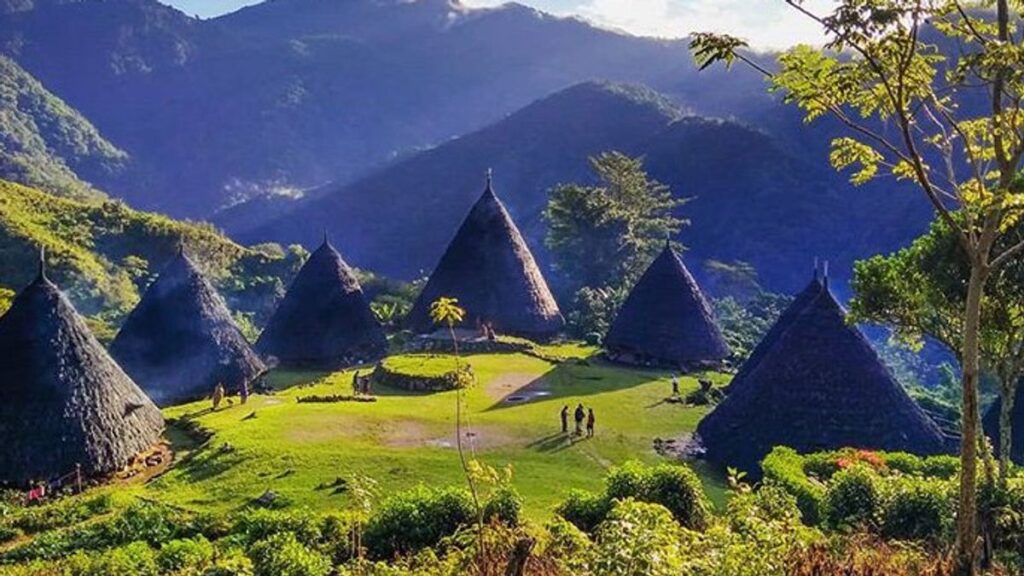
    Villages like Bena, Tololela, and Wae Rebo preserve megalithic structures and ancient customs passed down for generations. Here, visitors can witness traditional weaving, clan houses shaped like inverted boats, and rituals linked to ancestral mythology.

    wae rebo village in flores tour package

    This cultural immersion is one of the reasons travellers book a Flores tour package, as local guides help explain the meaning and history behind every village visit.

    2. A Spiritual Blend of Old and New

    Flores has a strong Catholic influence, introduced during Portuguese times. Yet many traditional rites and animist beliefs remain intact. This blend of faiths creates ceremonies, art, and daily life practices unlike anywhere else in Indonesia.

    Unmatched Marine Experiences

    Flores stretches east toward some of Indonesia’s most impressive seascapes. Coral reefs, turquoise bays, and dramatic island formations surround the coastline.

    Travellers often extend their journey with a Komodo tour, allowing them to explore the region beyond the main island. Just offshore, Komodo Island offers a rare chance to encounter the famous Komodo dragons while exploring rugged hills and blue-water bays.

    For marine lovers, a Komodo liveaboard experience unlocks access to world-class coral reefs, manta cleaning stations, and drift dives that feel like flying underwater. This region remains one of the most biodiverse marine destinations in Southeast Asia.

    A Destination for True Explorers

    What makes Flores so unforgettable is its balance of discovery and serenity. It’s adventurous without being overwhelming, rich in culture without being staged, and naturally stunning without mass tourism.

    1. Off-the-Beaten-Path Travel

    Many travellers enjoy booking a tailored itinerary that includes both a Flores tour package and a Komodo boat tour, creating a seamless journey from highlands to open ocean. From trekking in lush mountains to sailing between islands, every day offers something different.

    2. Authentic Hospitality

    Flores locals are known for their warmth and hospitality. Staying in local guesthouses or traditional village homes provides an intimate glimpse into daily life, cuisine, and community values. These experiences remain one of the island’s greatest treasures.

    Why Flores Deserves More Recognition

    Flores is underrated because it has not been widely commercialised. Much of its beauty comes from its quietness, authenticity, and diversity. It is a place where geography, culture, and adventure blend seamlessly.

    Travellers seeking meaningful experiences — rather than typical tourist attractions — often find Flores transformative. With its volcanic landscapes, village traditions, island-hopping adventures, and vibrant marine ecosystems, Flores is undeniably one of Indonesia’s most remarkable destinations.

    Conclusion

    Flores is more than a destination — it is an encounter with Indonesia at its most authentic. Its geography tells ancient stories, its villages preserve centuries-old traditions, and its seas offer some of the world’s most breathtaking marine adventures. Whether you seek cultural depth, natural wonder, or a sense of exploration, Flores is a journey that deserves far more recognition than it receives.

  • Road Trip Routes for Music Lovers: Chasing Iconic Sounds

    Road Trip Routes for Music Lovers: Chasing Iconic Sounds

    For music lovers, there’s nothing quite like hitting the open road to chase the sounds that define a genre. Music road trip offer a unique way to explore iconic destinations, historic venues, and vibrant festivals while immersing yourself in the soul of a region’s musical heritage. Whether you’re a fan of country, blues, indie rock, or jazz, these carefully curated road trip routes will guide you to unforgettable experiences. Pack your playlist and let’s dive into the best music road trips across the U.S.

    Nashville to Memphis: The Heart of Country and Blues

    Start your music road trip in Nashville, Tennessee, the epicenter of country music. Visit the Grand Ole Opry, where legends like Johnny Cash and Dolly Parton performed, and explore the Country Music Hall of Fame for a deep dive into the genre’s history. Catch live performances at honky-tonks like Tootsie’s Orchid Lounge, where aspiring artists still play nightly. For a unique experience, time your visit for the CMA Fest in June, a massive country music festival drawing fans worldwide.

    Drive 210 miles west to Memphis, the birthplace of blues and rock ‘n’ roll. Beale Street is a must, with its neon-lit clubs hosting live blues nightly. Visit the iconic Sun Studio, where Elvis Presley and B.B. King recorded hits, and tour Graceland to feel the King’s legacy. The Memphis in May festival, featuring the Beale Street Music Festival, is a highlight for blues enthusiasts. This music road trip blends twangy country with soulful blues, offering a rich tapestry of sound and history.

    Also read How to Ethically Shop Souvenirs and Support Locals

    Seattle to Portland: Indie Rock and Alternative Vibes

    For indie rock fans, a music road trip from Seattle, Washington, to Portland, Oregon, is a dream. Seattle’s grunge legacy shines at the Museum of Pop Culture, showcasing artifacts from Nirvana and Pearl Jam. Catch emerging bands at venues like The Crocodile, a staple of the city’s music scene since the 1990s. If you’re visiting in August, don’t miss Bumbershoot, a festival blending indie rock with arts and culture.

    The 175-mile drive to Portland offers scenic views and a vibrant music scene. Portland’s Doug Fir Lounge and Mississippi Studios host indie acts in intimate settings. At the same time, the city’s record stores, like Music Millennium, are treasure troves for vinyl collectors. Time your trip for the MusicfestNW, a multi-venue festival featuring up-and-coming bands. This music road trip captures the Pacific Northwest’s creative spirit, perfect for fans of alternative sounds.

    New Orleans to Baton Rouge: Jazz and Cajun Rhythms

    No music road trip is complete without exploring Louisiana’s jazz and Cajun heritage. Start in New Orleans, where the French Quarter pulses with live music. Preservation Hall offers authentic jazz performances in an intimate setting, while Frenchmen Street clubs like The Spotted Cat deliver nightly shows. Visit the New Orleans Jazz Museum to explore the genre’s roots, and plan for the New Orleans Jazz & Heritage Festival in spring for a world-class experience.

    Drive 80 miles to Baton Rouge, where Cajun and zydeco music thrive. Stop at the Blue Moon Saloon for live zydeco, a high-energy blend of accordion and washboard rhythms. Visit the Atchafalaya Basin for a cultural experience, where local festivals showcase Cajun bands and dance. This music road trip immerses you in Louisiana’s infectious rhythms and vibrant culture.

    Tips for Planning Your Music Road Trip

    To make your music road trip unforgettable, plan. Check festival schedules and book tickets early, as events like CMA Fest or Jazz Fest sell out quickly. Research venues for showtimes, as smaller clubs may have limited performances. Pack a portable speaker for your road trip playlist, featuring artists tied to each destination, think Hank Williams for Nashville or Kurt Cobain for Seattle. Budget for dining at local spots, like Memphis’ BBQ joints or New Orleans’ Creole cafes, to complement the musical experience.

    These music road trips offer more than just tunes; they’re a journey through America’s musical soul. From Nashville’s honky-tonks to Seattle’s grunge clubs, each route blends history, culture, and live performances. Grab your keys, cue up your favorite songs, and hit the road to chase the iconic sounds that define these destinations.

  • Fuel Crisis Hits Labuan Bajo: Komodo Tour Cancellations Soar After 10 Days

    Fuel Crisis Hits Labuan Bajo: Komodo Tour Cancellations Soar After 10 Days

    The picturesque town of Labuan Bajo, a gateway to the renowned Komodo Tour, is grappling with a severe fuel crisis that has persisted for 10 days, leaving tourists stranded and tour operators in distress. On August 18, 2025, the scarcity of fuel has forced numerous cancellations of Komodo Tour trips to Komodo National Park, impacting both local businesses and visitors who planned their vacations months in advance. This article delves into the ongoing fuel shortage, its effects on the tourism industry, and potential solutions to mitigate the crisis.

    The Fuel Shortage: A 10-Day Struggle

    Labuan Bajo, located in East Nusa Tenggara, has been a hotspot for tourists seeking the unique Komodo Tour experience, featuring encounters with Komodo dragons and stunning island landscapes. However, the region has faced a critical shortage of fuel for the past 10 days, as confirmed by Ahyar Abadi, Chairman of the Labuan Bajo Tourism Boat Association (Askawi). Speaking to Kompas.com on Monday, August 18, 2025, Ahyar highlighted that the lack of fuel has grounded many tourist boats, halting their ability to ferry visitors to Komodo National Park.

    This fuel scarcity has not only disrupted daily operations but also tarnished Labuan Bajo’s reputation as a super-priority tourism destination. The inability to refuel boats has left tourists waiting at the Marina Labuan Bajo port, with many expressing frustration over canceled trips. Ahyar noted that visitors, who often book Komodo Tours well in advance, are arriving only to face disappointments due to the fuel constraints.

    Impact on Komodo Tour and Local Tourism

    The ripple effects of this fuel crisis are significant for the Komodo Tour industry. Tour operators report a surge in cancellations, with many guests opting to abandon their plans after arriving in Labuan Bajo. “Many guests have canceled their Komodo Tour trips despite planning their holidays far in advance. It’s disheartening to see them leave without experiencing the wonders of Komodo National Park,” Ahyar lamented. This situation not only affects the income of boat operators but also impacts related businesses, such as local guides, restaurants, and accommodation providers.

    Komodo National Park, a UNESCO World Heritage site, is a major draw for international and domestic tourists, offering activities like snorkeling, diving, and wildlife trekking. The current fuel shortage threatens to derail the region’s tourism momentum, especially during the peak season. With Labuan Bajo positioned as a key destination under Indonesia’s tourism development agenda, the ongoing crisis raises concerns about its ability to sustain visitor interest and economic growth.

    Local tourism stakeholders are voicing their concerns, with Ahyar emphasizing the need for immediate action. “We receive numerous complaints from tourists, and this is highly regrettable for a destination of Labuan Bajo’s stature,” he added. The prolonged fuel shortage could lead to long-term reputational damage, potentially deterring future visitors from planning Komodo Tours.

    Proposed Solutions and Calls for Action

    To address the fuel crisis affecting Komodo Tour operations, Ahyar has called on the West Manggarai Regency government to intervene. He suggests a coordinated effort across districts or provinces to secure fuel supplies from neighboring regions like Manggarai, Maumere, or Bima in West Nusa Tenggara. “This requires cross-regional or cross-provincial coordination. We can request fuel assistance to ensure boats can resume their Komodo Tour services,” he proposed.

    Such a strategy could involve temporary fuel imports or reallocations to stabilize supply chains. Additionally, enhancing local fuel storage infrastructure and establishing emergency reserves could prevent future shortages. The government’s role is pivotal in negotiating with fuel distributors, such as Pertamina, to prioritize Labuan Bajo’s tourism needs, especially given its status as a super-priority destination.

    Tourism associations and local authorities are also urged to communicate transparently with the public and tourists. Providing regular updates on fuel availability and alternative travel options could help manage expectations and maintain trust. For instance, offering refunds or rescheduling options for affected Komodo Tour bookings might mitigate some of the dissatisfaction.

    The Broader Implications

    The fuel shortage in Labuan Bajo underscores broader challenges in Indonesia’s tourism infrastructure. While the region boasts natural attractions like Komodo National Park, logistical issues such as fuel supply can undermine its appeal. This crisis serves as a wake-up call for policymakers to invest in resilient systems to support tourism, a vital economic pillar for East Nusa Tenggara.

    For small business owners reliant on Komodo Tours, the financial toll is immediate. Without fuel, boats remain docked, and revenue streams dry up, threatening livelihoods. Long-term, this could lead to business closures or reduced service quality if the issue persists. Tourists, meanwhile, may turn to alternative destinations, impacting Labuan Bajo’s competitiveness in the global tourism market.

    Looking Ahead: Restoring Tourism Confidence

    As of August 21, 2025, with the crisis entering its 11th day, there is an urgent need for resolution. The West Manggarai Regency government must act swiftly to restore fuel supplies and reassure tourists planning Komodo Tours. Collaborative efforts with provincial authorities and fuel providers could expedite relief, ensuring boats are back in operation soon.

    Tour operators are encouraged to diversify their offerings, such as land-based tours or partnerships with nearby regions, to offset losses. Meanwhile, visitors should monitor updates from official sources like Kompas.com or local tourism boards before planning their trips. With proactive measures, Labuan Bajo can recover its status as a premier Komodo Tour destination.

    In conclusion, the 10-day fuel shortage in Labuan Bajo has severely disrupted Komodo Tour operations, leaving tourists stranded and businesses struggling. Immediate action from local authorities, coupled with strategic planning, is essential to resolve the crisis and safeguard the region’s tourism future. Stay informed and plan accordingly to ensure your Komodo Tour experience remains unforgettable.

  • 5 Reasons to Join the Banda Neira Festival on the Kudanil Explorer

    5 Reasons to Join the Banda Neira Festival on the Kudanil Explorer

    Banda Neira, a historic gem of the Indonesian archipelago, hosts a vibrant cultural celebration yearly: the Banda Neira Festival. For travelers seeking unique experiences, exploring this event aboard the Kudanil Explorer, a luxury yacht in Indonesia, adds a touch of elegance to an adventure rich in history and culture.

    Discover Banda Neira’s Rich Heritage

    The Banda Neira Festival is a gateway to Indonesia’s colonial past and natural beauty. Banda Neira, situated in the Maluku Islands, has a rich history tied to the spice trade. In the past, this small island was famous for producing nutmeg and cloves, which were highly sought after worldwide. The festival highlights this history through engaging activities, such as visits to colonial-era forts and cultural landmarks like the Rumah Budaya Banda Neira.

    Unique Experiences on the Kudanil Explorer

    Aboard the Kudanil Explorer, you can immerse yourself in the cultural festivities while enjoying unparalleled luxury. This floating paradise offers premium amenities, perfect for those seeking exclusivity. Witness the festival’s highlights, including the iconic Belang boat race, underwater photography contests, and traditional dances at Belgica Fortress, all with the flexibility and comfort provided by this luxury yacht in Indonesia.

    Also read Padar Island Named Among Asia’s Clearest Viewpoints: A Must-See Destination

    Dive into Nature and Culture

    One of Banda Neira’s hidden gems is the Lava Flow snorkeling site, where you can dive into vibrant coral reefs that have flourished on the cooled lava formations left by ancient volcanic eruptions. After enjoying Banda’s natural wonders, head to the festival’s vibrant marketplace featuring local crafts and foods. Take advantage of the yacht club gatherings, ideal for mingling with fellow travelers and experiencing local hospitality.

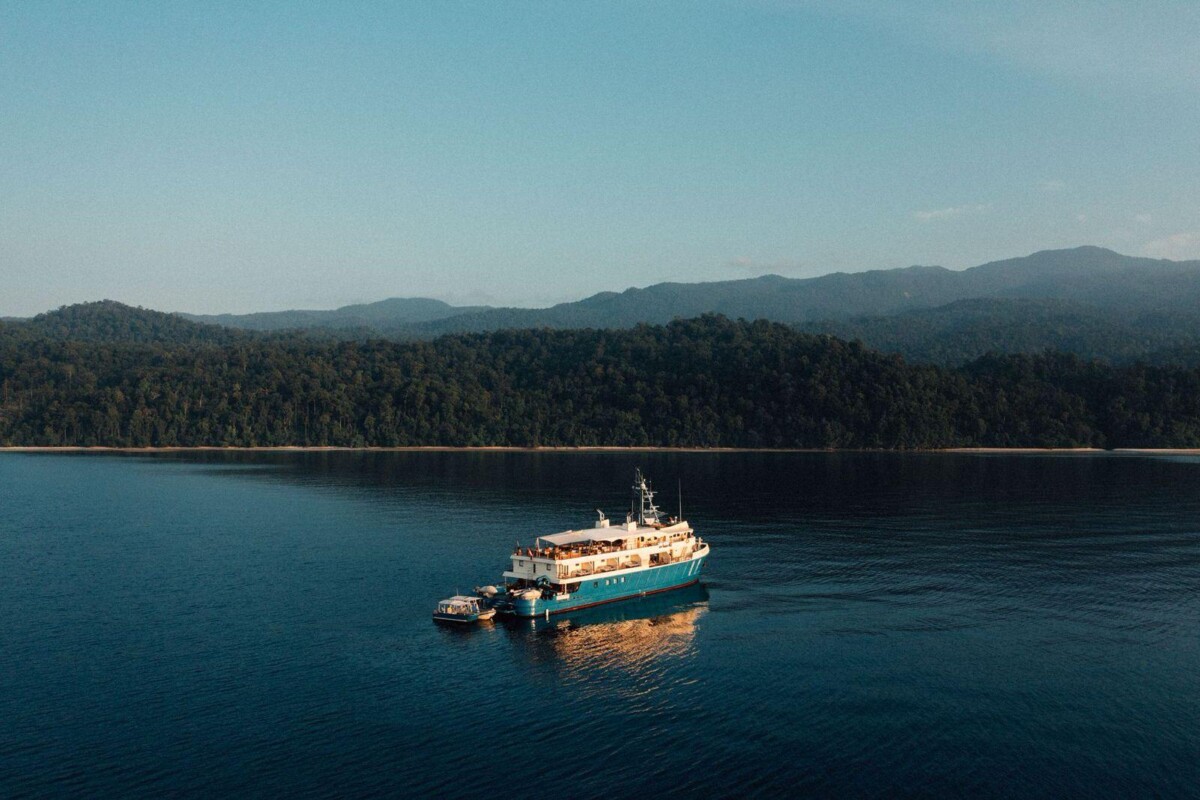
    Discover Banda Neira's hidden gems is the Lava Flow snorkeling site with Kudanil Explorer

    Whether it’s the historical depth, cultural festivities, or natural splendour, the Banda Neira Festival promises an unforgettable journey. Experiencing it aboard the Kudanil Explorer elevates the adventure, blending tradition with luxury. This is your chance to explore one of Indonesia’s hidden gems aboard a world-class vessel. Book your trip today and discover why Banda Neira is a must-visit destination.

  • Padar Island Named Among Asia’s Clearest Viewpoints: A Must-See Destination

    Padar Island Named Among Asia’s Clearest Viewpoints: A Must-See Destination

    Padar Island in Indonesia has been making waves on the global stage thanks to its feature in a study highlighting some of the most breathtaking viewpoints in Asia. Known for its picturesque landscapes and stunning panoramic views. Padar Island has become a sought-after destination for travelers. Especially those venturing through the famous Komodo Island and exploring the region via Komodo liveaboards.

    A Natural Marvel in the Heart of Komodo National Park

    Padar Island, nestled in the breathtaking Komodo National Park, delivers an excellent opportunity to immerse yourself in the region’s stunning natural beauty. This beautiful island is renowned for its picturesque hills and striking landscapes. Making it a favorite destination for adventurers and photography enthusiasts. Its pristine beaches, each varying in color—white, pink, and black—are set against the backdrop of turquoise waters and rugged, mountainous terrain.

    Komodo National Park is a UNESCO World Heritage site known for its biodiversity and as the habitat of Komodo dragons. Padar Island is truly a gem within the park, boasting breathtaking views and unique landscapes that provide visitors with an unforgettable experience, going beyond just seeing Komodo dragons.

    Also read Seasonal Splendor: Komodo Liveaboard Adventures Year-Round.

    Recognized as One of Asia’s Clearest Viewpoints

    The recent study that placed Padar Island among Asia’s clearest viewpoints underscores the island’s growing reputation as a must-visit destination. This recognition is not surprising, given the island’s breathtaking beauty and the surreal experience it offers. The viewpoint on Padar Island, often reached after a relatively short but steep hike, provides a sweeping 360-degree view of the surrounding islands, beaches, and the vast ocean, making it one of the most photographed locations in Indonesia.

    What makes the viewpoint stand out is its unobstructed clarity. On a clear day, visitors can see the contrast between the island’s distinct beaches and crystal-clear waters. This clarity and the island’s unique geography set Padar Island apart from other regional viewpoints.

    Komodo Liveaboards: The Ultimate Way to Explore Padar and Komodo Islands

    Experience the stunning beauty of Padar Island and Komodo Island through an unforgettable liveaboard adventure. Liveaboards provide a seamless way to explore the wonders of Komodo National Park, offering transportation, accommodations, meals, and expertly guided tours. A typical itinerary includes stops at Padar Island, Komodo Island, and the breathtaking Pink Beach. As well as snorkeling and diving opportunities to discover the vibrant underwater ecosystems. Visitors can also embark on guided treks on Komodo Island to encounter the world-famous Komodo dragons in their natural habitat while enjoying the island’s rugged landscapes and pristine beaches.

    Sustainability and Conservation in Komodo National Park

    Padar Island and Komodo National Park are popular tourist destinations with a growing focus on sustainability and protection. The park authorities have executed several efforts to protect the environment and preserve the area’s unique ecosystems. These include limiting the number of visitors to certain parts of the park, implementing strict waste management policies, and ensuring that tourism activities do not negatively impact wildlife, including the Komodo dragons.

    Sustainability is often a key focus for those embarking on a Komodo liveaboard. Many liveaboard operators emphasize eco-friendly practices, such as reducing single-use plastics, minimizing fuel consumption, and supporting local communities. This guarantees that future generations can continue to enjoy the beauty of Padar Island, Komodo Island, and the surrounding marine environments.

    A Destination for Adventure Seekers and Nature Lovers

    Padar Island has become a symbol of adventure for travelers visiting Indonesia. Its inclusion among Asia’s clearest viewpoints further cements its status as a world-class destination. Whether you are a photography lover or looking for a memorable travel experience, Padar Island offers something for everyone.

    The island’s rugged trails, pristine beaches, and stunning viewpoints provide endless opportunities for exploration and adventure. Visitors can hike to the top of the viewpoint, enjoy the tranquility of the island’s beaches, or participate in water activities.

    When combined with the wonders of Komodo Island and the convenience of a Komodo liveaboard. Padar Island becomes an essential stop on any Indonesian travel itinerary. Its natural beauty and status as one of Asia’s clearest viewpoints make it a destination that should be noticed.

    In conclusion, Padar Island’s recognition as one of Asia’s clearest viewpoints highlights its growing appeal among travelers worldwide. Whether you visit as part of a Komodo liveaboard journey or explore the island independently. The experience promises to be filled with awe-inspiring views, adventure, and unforgettable memories.

  • Sustainable Tourism: How a Resort in Nusa Dua is Leading the Way

    Sustainable Tourism: How a Resort in Nusa Dua is Leading the Way

    Nusa Dua, a stunning enclave on Bali’s southeastern coast, is famed for its pristine beaches, luxurious resorts, and vibrant culture. However, the global tourism industry faces a critical challenge: balancing economic growth with environmental responsibility. In this regard, a forward-thinking resort in Nusa Dua is emerging as a leader in sustainable tourism practices.

    Explore the innovative initiatives undertaken by this resort. Showcasing how a 5-star hotel in Bali can achieve unparalleled guest experiences while minimizing its environmental footprint, we will explore specific examples and demonstrate how this resort sets a new standard for sustainable hospitality in Nusa Dua and beyond.

    Pioneering Practices in Resource Management at Nusa Dua Resort

    One of the hallmarks of a sustainable resort in Nusa Dua is its commitment to responsible resource management. This encompasses various aspects, including:

    • Water Conservation:  The resort prioritizes water conservation through a multi-pronged approach. They may utilize advanced filtration systems like reverse osmosis to treat seawater or brackish water for various uses, reducing reliance on freshwater resources. Additionally, low-flow showerheads and faucets can be implemented to minimize water consumption in guest rooms and public areas.
    • Energy Efficiency: The resort actively promotes energy efficiency. Solar panels can be installed to capture plentiful sunshine, significantly reducing dependence on fossil fuels and lowering the resort’s carbon footprint. Energy-saving lightbulbs and occupancy sensors can also optimize energy use across the property.
    • Waste Reduction and Management:   A sustainable resort in Nusa Dua prioritizes waste reduction and responsible waste management. This may involve implementing composting programs for organic waste, recycling initiatives for paper, plastic, and glass, and partnering with local waste management companies that utilize responsible disposal methods.

    Read More:

    Ultimate Guide to Family Suites: Kids-Friendly Resorts in Bali

    Amplify Connections: Top Hotels in Nusa Dua Bali Business Meets

    Embracing Local Communities and Culture

    Sustainability extends beyond environmental concerns. A genuinely sustainable resort in Nusa Dua recognizes the importance of supporting and integrating with the local community. Here’s how they achieve this:

    • Sourcing Local Produce:  The resort prioritizes sourcing fresh ingredients from local farmers and fishermen. This minimizes the environmental impact related to long-distance transportation and injects financial resources directly into the local economy, supporting sustainable livelihoods.
    • Cultural Preservation:   The resort actively promotes Balinese culture and heritage. This could involve showcasing traditional art forms like dance performances or offering guests opportunities to participate in cultural workshops. Additionally, the resort may partner with local artisans to showcase and sell their crafts, providing economic opportunities and preserving cultural traditions.
    • Community Engagement:  A forward-thinking resort in Nusa Dua fosters positive relationships with the local community. This may involve supporting local schools, healthcare initiatives, or environmental conservation projects. Additionally, the resort may prioritize hiring local staff, providing valuable employment opportunities, and fostering a sense of ownership within the community.

    A Seamless, Sustainable Experience for Guests

    Sustainable practices shouldn’t compromise the guest experience. Here’s how a top hotel in Nusa Dua integrates sustainability seamlessly:

    • Eco-Friendly Amenities:   The resort can offer guests eco-friendly amenities, such as refillable toiletry dispensers made from recycled materials or locally sourced, biodegradable bath products. Additionally, the resort may provide bicycles or electric vehicles for guests to explore the surroundings, promoting a healthy lifestyle and minimizing carbon emissions.
    • Guest Education:  The resort can educate guests about its sustainability initiatives. This could be achieved through informative welcome packages, signage throughout the property, or optional eco-tours highlighting the resort’s environmental efforts. By raising awareness, guests participate actively in the resort’s sustainability journey.
    • Luxury Redefined:  Sustainability doesn’t have to mean sacrificing luxury. A 5-star hotel in Bali can redefine luxury by focusing on personalized service, locally sourced, high-quality ingredients, and unique experiences that connect guests with the natural appeal and cultural diversity of Nusa Dua.

    Leading the Way for Nusa Dua Beach Resort

    The innovative practices adopted by this resort in Nusa Dua serve as a beacon for other regional hospitality establishments. By demonstrating the effectiveness and profitability of sustainable tourism initiatives, this resort inspires top hotels in Nusa Dua Bali to embrace similar practices. This collective effort can significantly reduce tourism’s environmental impact on Nusa Dua’s delicate ecosystem while enhancing the visitor experience.

    In conclusion, a forward-thinking beachfront resort in Nusa Dua is paving the way for a more sustainable future for tourism in Bali. The resort redefines luxury through its commitment to responsible resource management, community engagement, and guest education. It sets a new standard for eco-conscious hospitality. As more resorts in Nusa Dua embrace these practices, the entire Nusa Dua beach resort area can become a model for sustainable tourism, ensuring its continued success and preserving the natural beauty that attracts visitors worldwide.

  • Family Vacation Essentials: Packing Tips and Must-Have Items

    Family Vacation Essentials: Packing Tips and Must-Have Items

    The anticipation of a family vacation is electric! The excitement is palpable whether you’re setting sail on a tropical cruise, exploring the bustling streets of a new city, or venturing into the great outdoors. But amidst the planning and booking, one daunting task looms packing. Packing for a family, especially with varying ages and needs, can be a logistical nightmare. Fear not, weary travelers! This guide will equip you with essential packing tips and must-have items to ensure a smooth and enjoyable vacation for everyone.

    Packing Smarter, Not Harder: Essential Tips

    1. Plan Ahead

    Start by preparing a packing list for your family vacation. Consider the destination, duration, activities, and weather. Involve the family in the process to avoid last-minute scrambling and forgotten essentials.

    2. Utilize Packing Cubes

    These organizational wonders help compartmentalize clothes, toiletries, and other items, making unpacking and finding things a breeze. Color-coding cubes further simplify the process, especially for young children.

    3. Prioritize Layering

    Opt for versatile clothing that can be layered for different temperatures and activities. This saves space and allows for adaptability to changing weather conditions.

    4. Embrace Multi-purpose Items

    Look for clothing and accessories that serve multiple functions. A quick-drying scarf can double as a beach towel. At the same time, a convertible travel pillow can be used as a lumbar support or neck pillow.

    5. Don’t Overpack

    Resist the urge to pack everything “just in case.” Overpacking leads to bulky luggage, lost items, and unnecessary fees. Stick to the essentials and plan for laundry facilities or quick purchases.


    Read More:

    The Elegance of Balinese Dance: A Must-See Cultural Experience

    Essential Insights for Your First Trip to Bali


    Must-Have Items for Every Family Vacation

    For Everyone:

    • Comfortable clothing: Pack enough outfits for the duration, considering layering options. Prioritize breathable, quick-drying fabrics for warm climates and moisture-wicking materials for colder destinations.
    • Footwear: Versatile shoes are key. Pack sneakers for walking, sandals or water shoes for beaches, and dressier shoes for evenings out.
    • Reusable water bottles: Staying hydrated is crucial; reusable bottles reduce waste and save money.
    • Sunscreen and insect repellent: Protect yourselves from the elements with broad-spectrum sunscreen and insect repellent suitable for your destination.
    • First-aid kit: Pack basic supplies like bandages, antiseptic wipes, pain relievers, and allergy medication.
    • Entertainment: Pack books, magazines, games, or portable electronics to keep everyone occupied during travel and downtime.
    • Chargers and adapters: Ensure you have the necessary chargers and adapters for all your electronic devices.
    • Travel documents: Pack passports, visas, travel insurance documents, and any other necessary paperwork in a secure location.

    For Children:

    • Favorite stuffed animal or blanket: Comfort items provide security, especially for younger children.
    • Snacks and drinks: Pack healthy snacks and beverages to keep little tummies happy during travel and outings.
    • Coloring books, crayons, or other quiet activities entertain children during travel and downtime.
    • Swimsuit and beach essentials: Pack swimsuits, sunscreen, hats, and sunglasses for beach or pool activities.
    • Diapers, wipes, and diaper cream (if applicable): Pack enough supplies for your trip, considering potential delays.
    • Medications: If your child requires medication, pack an ample supply and keep it readily accessible.

    Additional Items Depending on Your Destination:

    • Beach vacation: Pack beach towels, umbrellas, and waterproof phone cases.
    • Hiking trip: Pack sturdy hiking boots, backpacks, and appropriate clothing for the terrain.
    • City break: Pack comfortable walking shoes, a versatile daypack, and a reusable water bottle.
    • Winter vacation: Pack warm layers, waterproof boots, gloves, hats, and scarves.
  • The Elegance of Balinese Dance: A Must-See Cultural Experience

    The Elegance of Balinese Dance: A Must-See Cultural Experience

    Bali, often dubbed the “Island of the Gods,” is a place of rich cultural tapestry and artistic expression. At the heart of this cultural heritage lies the mesmerizing tradition of Balinese dance. These performances, steeped in history and symbolism, offer a window into the soul of Bali. From the graceful movements to the vibrant costumes, every aspect of Balinese dance is a testament to the island’s artistic prowess. In this article, we delve into the world of Balinese dance, exploring its significance, different forms, and where to witness this captivating art form firsthand.

    The Dance of Legends: Understanding Balinese Dance Forms

    Balinese dance is a complex art, with each form carrying its narrative and purpose. One of the most renowned is the Legong dance, a delicate performance characterized by intricate finger movements and eye expressions. Legend has it that the dance was inspired by a dream of a prince in the 18th century. Another iconic dance is the Barong, a vibrant and dramatic portrayal of the eternal battle between good and evil. This mythical creature, half-lion and half-dragon, comes to life through the skillful movements of the performers.

    The Rituals and Symbolism Woven into the Fabric of Dance

    Every Balinese dance is a meticulously crafted piece of art, and each movement carries deep symbolic meaning. The eye movements, hand gestures, and footwork all tell a story. For example, the Cendrawasih dance, inspired by the paradise bird, embodies the idea of freedom and the beauty of nature. The movements mimic the bird’s graceful flight, evoking a sense of liberation and harmony with the environment. Understanding these symbols enriches the experience of watching a Balinese dance performance, allowing you to grasp the layers of meaning woven into every gesture.

    The Music that Sets the Stage: The Role of Gamelan

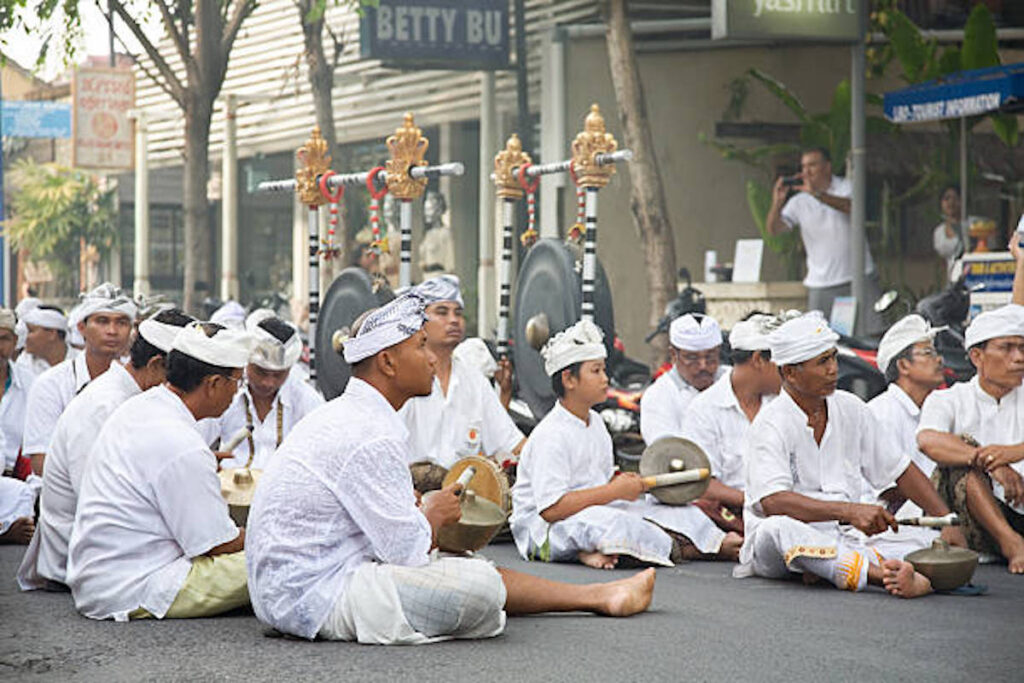
    Discussion of Balinese dance is complete with mentioning Gamelan, the traditional ensemble of musical instruments that accompanies these performances. The Gamelan, consisting of gongs, metallophones, drums, and flutes, provides the rhythmic backdrop that guides the dancers. The harmonious interplay between the dancers and the Gamelan musicians creates a multisensory experience that transports the audience into the heart of the performance. The hypnotic melodies and intricate rhythms add depth and texture to the visual spectacle, creating a truly immersive experience.

    Balinese dance with the accompaniment of gamelan.

    Read More:

    Aches and Pains? How Yoga Can Help Manage Chronic Pain

    Wondrous Lunar Celebrations: A Universal Dance Under the Silvery Moon

    Where to Witness the Magic: Venues for Balinese Dance Performances

    Bali offers a multitude of venues to experience the magic of traditional dance. Ubud, known as the cultural heart of Bali, boasts numerous theaters and cultural centers that host regular performances. The Ubud Palace, with its ornate architecture and lush surroundings, provides a fitting backdrop for these elegant displays of artistry. Additionally, various temples around the island hold special dance performances during religious ceremonies and festivals. Witnessing a dance against the backdrop of a centuries-old temple adds a spiritual dimension to the experience.

    Beyond Entertainment: The Cultural Significance of Balinese Dance

    While Balinese dance performances undoubtedly entertain, they also serve a deeper cultural purpose. They are a form of storytelling, a medium through which myths, legends, and historical events are passed down through generations. They are a means of spiritual expression, a way to connect with the gods, and pay homage to the forces that shape Balinese life. Moreover, they celebrate community, as these performances often involve the collective effort of dancers, musicians, and costume makers.

    Preserving Tradition in a Modern World

    In an age of rapid modernization, preserving traditional arts becomes paramount. Organizations and individuals dedicated to safeguarding Balinese dance are working tirelessly to ensure that this cultural treasure continues to thrive. Schools and workshops offer training to aspiring dancers, passing on the knowledge and skills required to keep this ancient art form alive. By attending Balinese dance performances, visitors contribute to the preservation efforts, becoming a part of the ongoing narrative of Bali’s cultural heritage.

    A Dance of Grace and Legacy

    A visit to Bali would only be complete with immersing oneself in the enchanting world of Balinese dance. It is a journey through history, a glimpse into the soul of a culture, and a celebration of artistic expression. From the intricate movements to the evocative music, every element of a Balinese dance performance is a testament to the island’s rich heritage. So, when in Bali, let the elegance of Balinese dance be a highlight of your cultural exploration. Witness the grace, feel the rhythm, and become a part of a tradition that has enchanted audiences for centuries.