
Picking up souvenirs is a fantastic way to capture the essence of your trip and take home a bit of the local culture. However, not all souvenirs are created equal. Many tourists unknowingly purchase items that are harmful to the environment, exploitative of workers, or mass-produced without reflecting the authentic spirit of the destination. To ensure that your souvenir shopping is ethical and meaningful, here are some tips on shopping responsibly and supporting local artisans.
Look for Handcrafted Goods
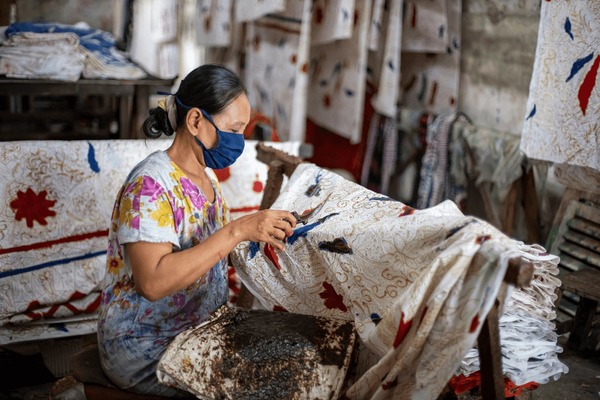
One of the best ways to support local communities is by purchasing handcrafted items. Artisans often make these products using traditional methods passed down through generations. When you buy handcrafted goods, you directly support skilled workers’ livelihoods and promote cultural preservation. Whether it’s a handwoven textile, handmade pottery, or locally crafted jewellery, these unique items often have a story behind them and are more meaningful than mass-produced souvenirs.
Buy Directly from Artisans or Local Markets
Instead of purchasing souvenirs from large, touristy shops or international chains, visit local markets or artisan cooperatives. These markets are often where local artisans sell their crafts directly, ensuring the money goes to them. Shopping at local markets also contributes to the local economy and encourages sustainable, small-scale businesses. Many communities also have fair trade initiatives, guaranteeing that artisans are paid fairly and work under safe, ethical conditions.
Also read Family Vacation Essentials: Packing Tips and Must-Have Items
Research Ethical Souvenir Shops
If you cannot you can’t visit artisan markets directly, look for stores that promote ethical sourcing practices. Many shops now specialize in fair trade and sustainable products. These stores ensure that their goods are made concerning the environment and workers’ rights. Look for certifications such as Fair Trade or those that guarantee ethical production standards, ensuring that the items are not only of high quality but also ethically made.
Choose Sustainable Materials
When buying souvenirs, choose items that are made from sustainable, eco-friendly materials. Avoid products that contribute to environmental degradation, such as those made from endangered wood, animal products, or synthetic plastics. Instead, opt for items made from recycled materials, bamboo, organic cotton, or local materials that have minimal environmental impact. This way, your purchase will support local artisans and help protect the planet.
Avoid Mass-Produced “Tourist Traps”
Souvenirs that are mass-produced for tourists must reflect the authentic culture or heritage of the place you’re visiting. These items are typically made in factories far from the location and offer little value to the local community. Common examples include mass-produced keychains, T-shirts, and trinkets with generic designs. While these may be cheaper, they often contribute little to the local economy. The overproduction and resulting waste can lead to detrimental effects on the environment.
Consider the Cultural Significance of Your Purchase
A meaningful souvenir is more than just a decorative piece; it embodies cultural significance. Before purchasing, please take a moment to discover the item’s history and the traditional techniques behind its creation. Engage with the artisans, asking them about their craft and the stories that inspire their work. This deepens your appreciation for the item and ensures that your purchase is a genuine tribute to the local culture rather than a mere novelty disconnected from its roots.
Give Back Through Your Purchase
Some souvenir shops or artisan groups dedicate a part of their sales to charitable causes, like improving education, healthcare, or sustainable development in the community. By buying from these sellers, you can contribute to the betterment of the region while taking home a meaningful and authentic item. Look for businesses that reinvest in the local community, making your purchase an investment in positive change.