Snorkeling in Nusa Lembongan is one of the easiest ways to experience the marine beauty of Bali’s small island trio without needing a diving certification. With clear tropical waters, reef areas, mangrove scenery, and easy access to Nusa Ceningan and Nusa Penida, the island is a practical base for travellers who want a gentle yet memorable ocean experience. Whether you are visiting as a couple, family, solo traveller, or group of friends, snorkelling here can be relaxing, scenic, and meaningful when planned with the right operator and respect for the sea.
Is Nusa Lembongan Good for Snorkelling?
Yes, Nusa Lembongan is a good destination for snorkelling because it combines accessible boat trips, reef sites, clear water, and easy connections to nearby marine areas. Travellers can join guided snorkelling tours, visit reef locations, explore mangrove surroundings, and sometimes travel towards sites around Nusa Penida, depending on sea conditions.
For first-time snorkellers, the island can be a comfortable introduction to Bali’s underwater world. However, the experience should still be planned carefully. Ocean conditions can change; currents may be present; and boat routes vary with weather and tide. Snorkeling in Nusa Lembongan is best enjoyed with a guide who explains the conditions clearly, provides suitable equipment, and chooses sites based on the day rather than making fixed promises.
Why the Marine Setting Matters
The waters around Nusa Lembongan, Nusa Ceningan, and Nusa Penida are part of the wider Nusa Penida Marine Protected Area. This protected area covers more than 20,000 hectares and includes coral reefs, mangroves, seagrass beds, and important marine habitats. Conservation references have also recorded hundreds of coral species in the area, including 296 coral species documented in 2008.
These data points matter because they show that snorkelling here is not just a casual holiday activity. It takes place in a biodiverse marine environment that supports reef fish, corals, turtles, rays, and other marine life. For travellers, this means the experience comes with responsibility. The reef is part of what makes the island special, and visitor behaviour can help protect or damage it.
What Can You See While Snorkelling?
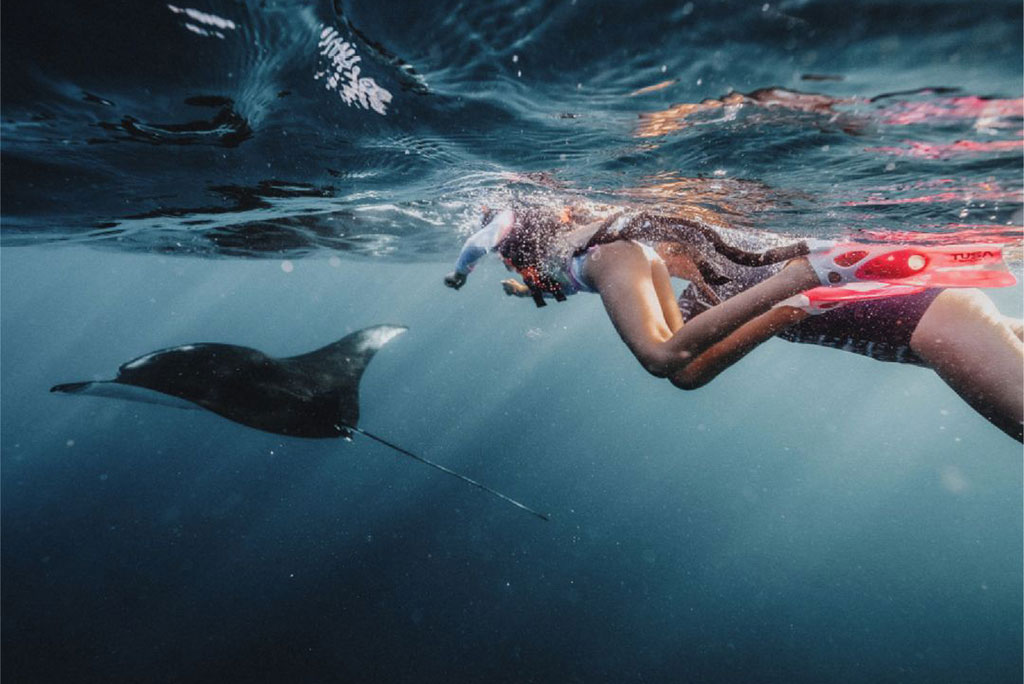
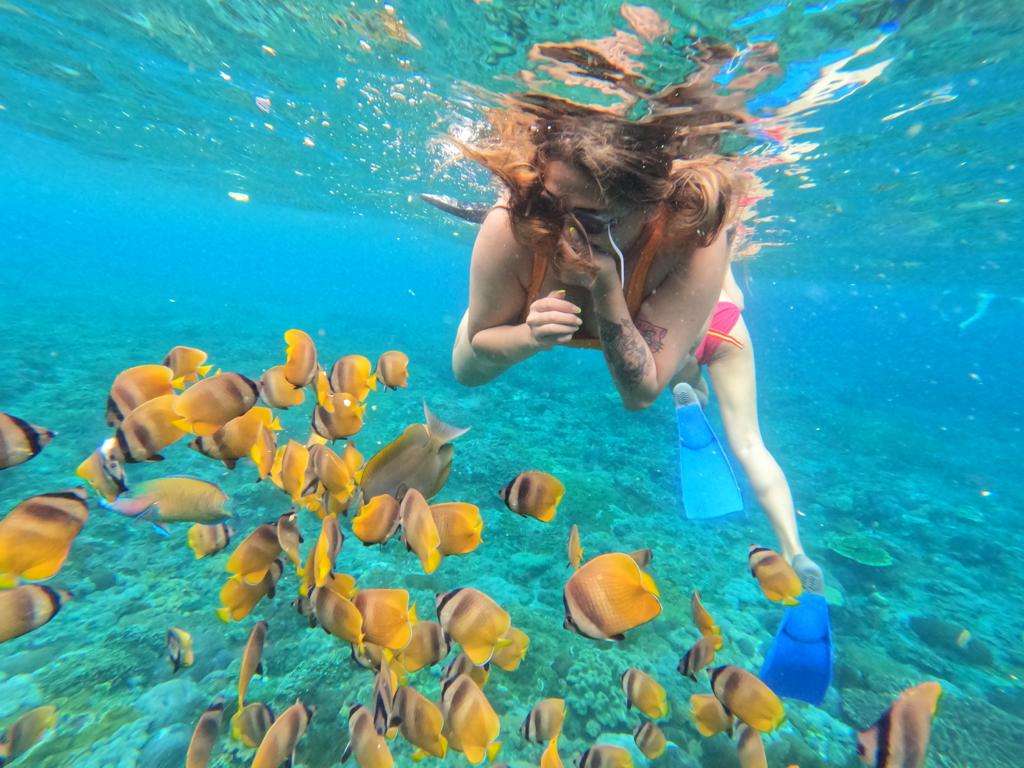
What you see while snorkelling depends on the site, season, current, visibility, and natural wildlife movement. In reef areas, travellers may spot colourful fish, coral gardens, sea stars, and smaller marine creatures. In nearby marine zones, some tours may include areas associated with rays or larger ocean life.
Manta-related trips are popular in the broader Nusa Penida area, but sightings should never be treated as guaranteed. Wildlife is not staged, and that is part of what makes the experience valuable. A responsible operator should set realistic expectations and explain that the goal is to enjoy the marine environment safely, not chase animals for a photo.
For families, simple reef snorkelling can be more enjoyable than a long boat journey. Children often prefer shorter sessions, calm guidance, and clear water where they can easily see fish below them.
Safety Tips for First-Time Snorkellers
Safety should come before the itinerary. Choose a tour that provides clean masks, properly fitted fins, life jackets, and a clear briefing before entering the water. If you are nervous, tell the guide before the trip begins. A good guide can help you adjust your mask, enter the water calmly, and stay close to the group.
Even confident swimmers should respect currents. Clear water can look calm from the surface, but conditions may still be dynamic. Stay near the guide, avoid swimming too far from the boat, and never force yourself into the water if conditions feel uncomfortable.
Snorkeling in Nusa Lembongan is most enjoyable when the group does not rush. A patient guide, good equipment, and a flexible route will usually create a better experience than a packed schedule with too many stops.
Marine Etiquette: How to Protect the Reef
Good snorkelling behaviour is simple but important. Do not stand on coral, touch marine animals, chase turtles or rays, collect shells, or leave plastic behind. Keep your fins away from the reef and float calmly above the water instead of kicking aggressively.
Reef-safe sunscreen can also help reduce environmental impact, especially when many travellers are entering the same marine areas. If possible, apply sunscreen before the trip and wear a rash guard for extra sun protection.
Responsible snorkelling protects the same environment that travellers come to enjoy. It also supports local communities and helps keep marine tourism sustainable for future visitors.
Best Way to Plan a Snorkelling Day
A good snorkelling day should feel relaxed, not rushed. Eat a light breakfast before the boat trip, avoid heavy meals immediately before entering the water, and bring water, sun protection, and a dry bag for essentials. After the trip, plan an easy lunch, beach time, or a quiet afternoon rather than stacking too many activities into one day.
If you are staying several nights in Nusa Lembongan, spread your water activities across the trip. You might dedicate one day to snorkelling, another to surfing or diving, and another to exploring the mangroves or crossing to Nusa Ceningan. This gives you more flexibility if weather or sea conditions change.
Best Travellers for Snorkelling in Nusa Lembongan
Snorkelling is a strong fit for families, couples, first-time ocean travellers, and people who want a marine experience without committing to a dive course. It is also ideal for mixed groups where some travellers want adventure, and others prefer a lighter activity.
Families should choose shorter, calmer tours with clear safety support. Couples may prefer a more scenic route with time for photos and a relaxed lunch afterwards. Solo travellers can join shared tours, which makes the activity easy to organise without needing a private boat.
For travellers comparing Bali island activities, snorkeling in Nusa Lembongan is one of the most accessible ways to connect with the ocean while still keeping the day manageable.
Local Context: Lembongan, Ceningan, and Penida
Nusa Lembongan is part of a compact island setting that also includes Nusa Ceningan and Nusa Penida. Each island adds something different to the travel experience. Lembongan is often used as a comfortable base; Ceningan offers a quieter atmosphere and is connected by the yellow bridge; and Penida is known for dramatic coastal landscapes and major marine areas.
A well-planned trip considers both the water and the island rhythm. Boat departures, tides, road conditions, accommodation location, and restaurant access can all shape the experience.
Responsible Tourism and Visitor Pressure
Bali continues to attract large numbers of international visitors, and popular marine destinations can face pressure from boats, waste, reef contact, and crowding. This makes responsible tourism more important than ever.
Travellers can help by choosing operators that provide environmental briefings, avoiding overcrowded routes when possible, managing waste carefully, and respecting marine life. Small choices matter. Staying with the group, avoiding contact with coral, reducing plastic use, and following guide instructions all contribute to a better long-term outcome.
Final Takeaway
Snorkeling in Nusa Lembongan can be simple, beautiful, and deeply rewarding when approached with the right mindset. The island offers access to reefs, clear water, mangrove scenery, and nearby marine areas, making it one of the easiest ways to enjoy Bali’s underwater world.
The best experience comes from planning around conditions, choosing a responsible guide, using proper equipment, and respecting the marine environment. Done well, snorkelling becomes more than a holiday activity. It becomes a gentle way to understand the island’s connection to the sea.