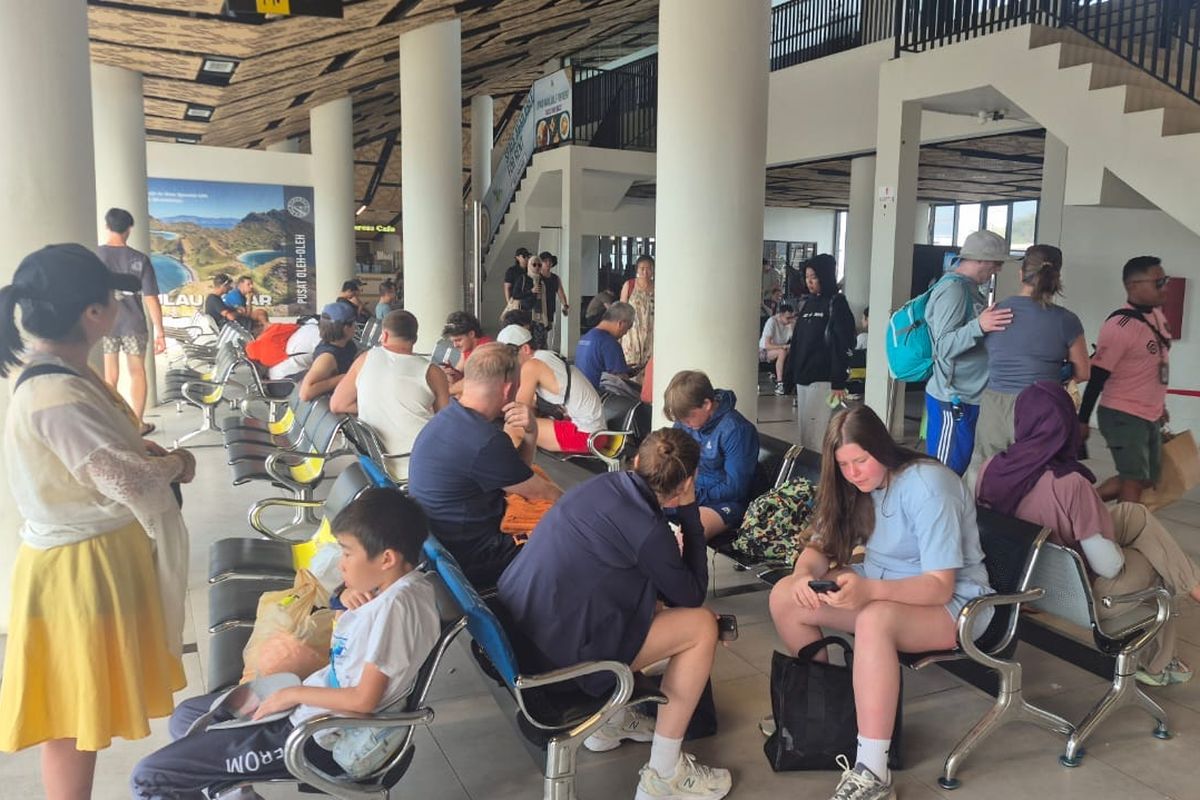
The picturesque town of Labuan Bajo, a gateway to the renowned Komodo Tour, is grappling with a severe fuel crisis that has persisted for 10 days, leaving tourists stranded and tour operators in distress. On August 18, 2025, the scarcity of fuel has forced numerous cancellations of Komodo Tour trips to Komodo National Park, impacting both local businesses and visitors who planned their vacations months in advance. This article delves into the ongoing fuel shortage, its effects on the tourism industry, and potential solutions to mitigate the crisis.
The Fuel Shortage: A 10-Day Struggle
Labuan Bajo, located in East Nusa Tenggara, has been a hotspot for tourists seeking the unique Komodo Tour experience, featuring encounters with Komodo dragons and stunning island landscapes. However, the region has faced a critical shortage of fuel for the past 10 days, as confirmed by Ahyar Abadi, Chairman of the Labuan Bajo Tourism Boat Association (Askawi). Speaking to Kompas.com on Monday, August 18, 2025, Ahyar highlighted that the lack of fuel has grounded many tourist boats, halting their ability to ferry visitors to Komodo National Park.
This fuel scarcity has not only disrupted daily operations but also tarnished Labuan Bajo’s reputation as a super-priority tourism destination. The inability to refuel boats has left tourists waiting at the Marina Labuan Bajo port, with many expressing frustration over canceled trips. Ahyar noted that visitors, who often book Komodo Tours well in advance, are arriving only to face disappointments due to the fuel constraints.
Impact on Komodo Tour and Local Tourism
The ripple effects of this fuel crisis are significant for the Komodo Tour industry. Tour operators report a surge in cancellations, with many guests opting to abandon their plans after arriving in Labuan Bajo. “Many guests have canceled their Komodo Tour trips despite planning their holidays far in advance. It’s disheartening to see them leave without experiencing the wonders of Komodo National Park,” Ahyar lamented. This situation not only affects the income of boat operators but also impacts related businesses, such as local guides, restaurants, and accommodation providers.
Komodo National Park, a UNESCO World Heritage site, is a major draw for international and domestic tourists, offering activities like snorkeling, diving, and wildlife trekking. The current fuel shortage threatens to derail the region’s tourism momentum, especially during the peak season. With Labuan Bajo positioned as a key destination under Indonesia’s tourism development agenda, the ongoing crisis raises concerns about its ability to sustain visitor interest and economic growth.
Local tourism stakeholders are voicing their concerns, with Ahyar emphasizing the need for immediate action. “We receive numerous complaints from tourists, and this is highly regrettable for a destination of Labuan Bajo’s stature,” he added. The prolonged fuel shortage could lead to long-term reputational damage, potentially deterring future visitors from planning Komodo Tours.
Proposed Solutions and Calls for Action
To address the fuel crisis affecting Komodo Tour operations, Ahyar has called on the West Manggarai Regency government to intervene. He suggests a coordinated effort across districts or provinces to secure fuel supplies from neighboring regions like Manggarai, Maumere, or Bima in West Nusa Tenggara. “This requires cross-regional or cross-provincial coordination. We can request fuel assistance to ensure boats can resume their Komodo Tour services,” he proposed.
Such a strategy could involve temporary fuel imports or reallocations to stabilize supply chains. Additionally, enhancing local fuel storage infrastructure and establishing emergency reserves could prevent future shortages. The government’s role is pivotal in negotiating with fuel distributors, such as Pertamina, to prioritize Labuan Bajo’s tourism needs, especially given its status as a super-priority destination.
Tourism associations and local authorities are also urged to communicate transparently with the public and tourists. Providing regular updates on fuel availability and alternative travel options could help manage expectations and maintain trust. For instance, offering refunds or rescheduling options for affected Komodo Tour bookings might mitigate some of the dissatisfaction.
The Broader Implications
The fuel shortage in Labuan Bajo underscores broader challenges in Indonesia’s tourism infrastructure. While the region boasts natural attractions like Komodo National Park, logistical issues such as fuel supply can undermine its appeal. This crisis serves as a wake-up call for policymakers to invest in resilient systems to support tourism, a vital economic pillar for East Nusa Tenggara.
For small business owners reliant on Komodo Tours, the financial toll is immediate. Without fuel, boats remain docked, and revenue streams dry up, threatening livelihoods. Long-term, this could lead to business closures or reduced service quality if the issue persists. Tourists, meanwhile, may turn to alternative destinations, impacting Labuan Bajo’s competitiveness in the global tourism market.
Looking Ahead: Restoring Tourism Confidence
As of August 21, 2025, with the crisis entering its 11th day, there is an urgent need for resolution. The West Manggarai Regency government must act swiftly to restore fuel supplies and reassure tourists planning Komodo Tours. Collaborative efforts with provincial authorities and fuel providers could expedite relief, ensuring boats are back in operation soon.
Tour operators are encouraged to diversify their offerings, such as land-based tours or partnerships with nearby regions, to offset losses. Meanwhile, visitors should monitor updates from official sources like Kompas.com or local tourism boards before planning their trips. With proactive measures, Labuan Bajo can recover its status as a premier Komodo Tour destination.
In conclusion, the 10-day fuel shortage in Labuan Bajo has severely disrupted Komodo Tour operations, leaving tourists stranded and businesses struggling. Immediate action from local authorities, coupled with strategic planning, is essential to resolve the crisis and safeguard the region’s tourism future. Stay informed and plan accordingly to ensure your Komodo Tour experience remains unforgettable.